A Visit to the Eames Institute Archives
A visit to Ray and Charles Eames's archive.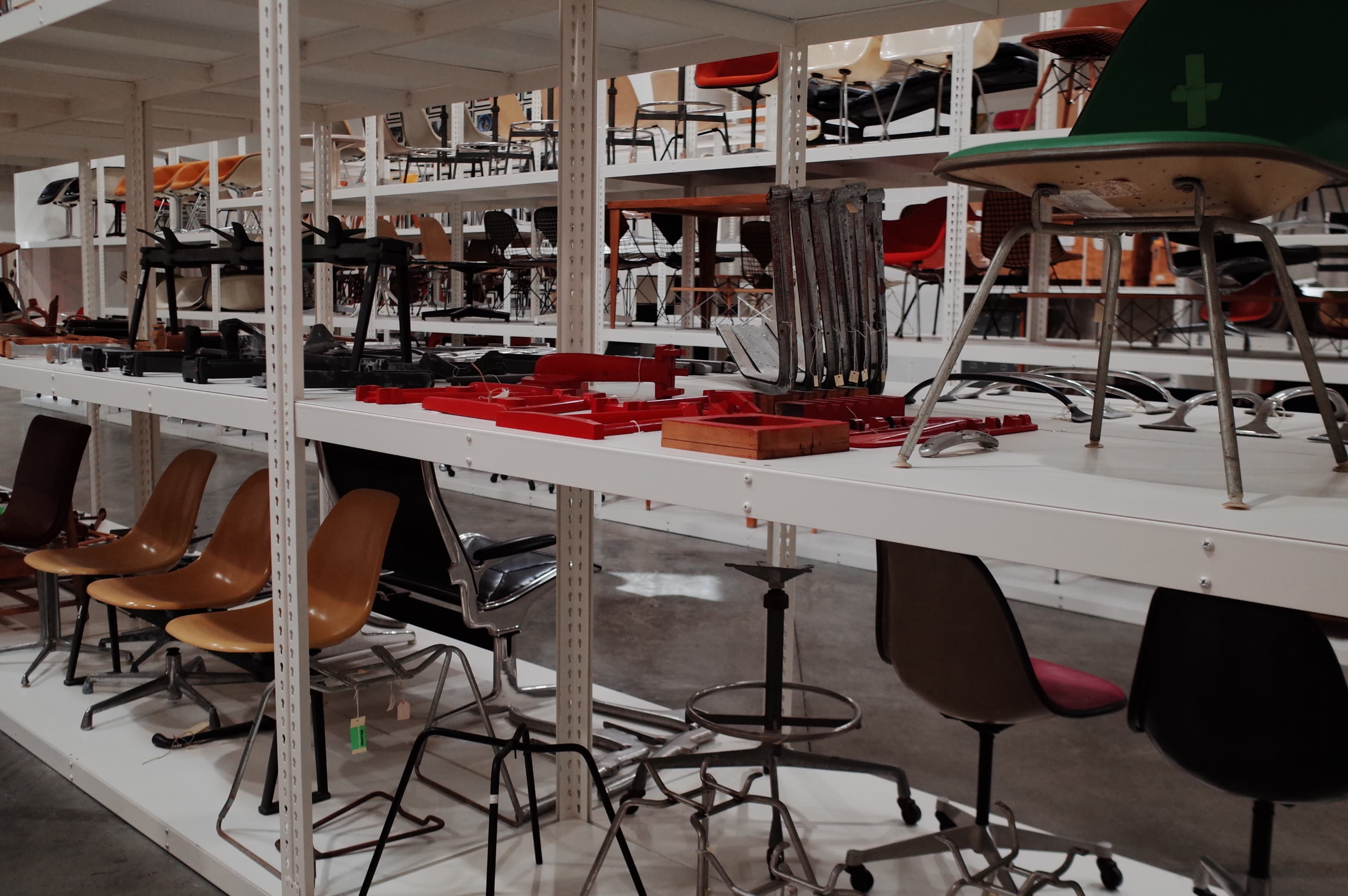
The Eames Institute archive is by appointment only. Behind this unassuming warehouse building is one of the most comprehensive collections of Ray and Charles Eames's work in the world.
Outside the Building
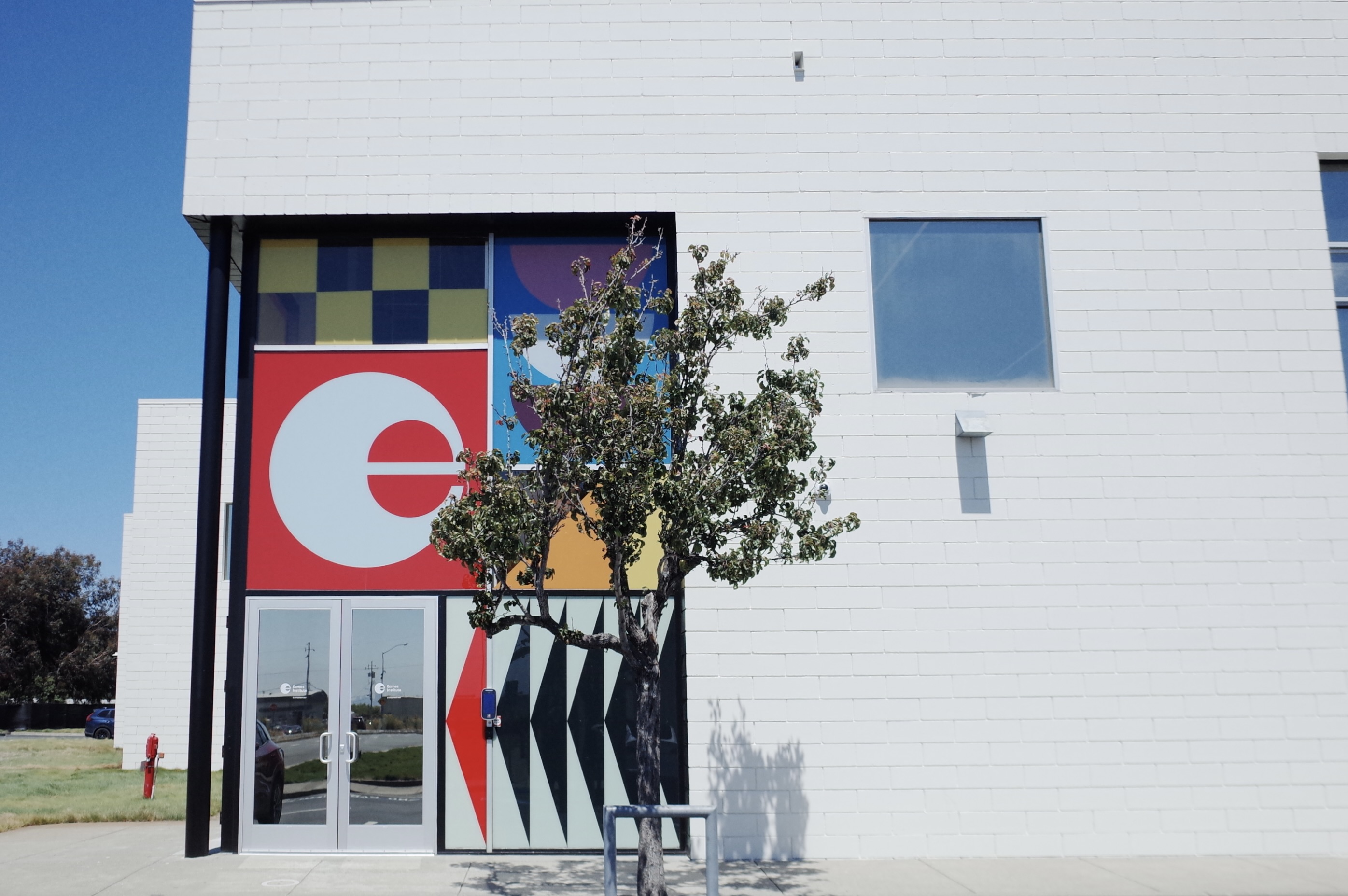
From the street it's an anonymous white warehouse — except for one wall, where a bold graphic mural (checkerboard tiles, a giant red "e," a chevron pattern) marks the entrance.
The Lounge
Right past the entrance is a lounge furnished almost entirely in Eames pieces — the Eames Lounge Chair, an Eames Sofa, a molded plywood LCW, a DCM. It's less "display" and more "this is just how the room is furnished."
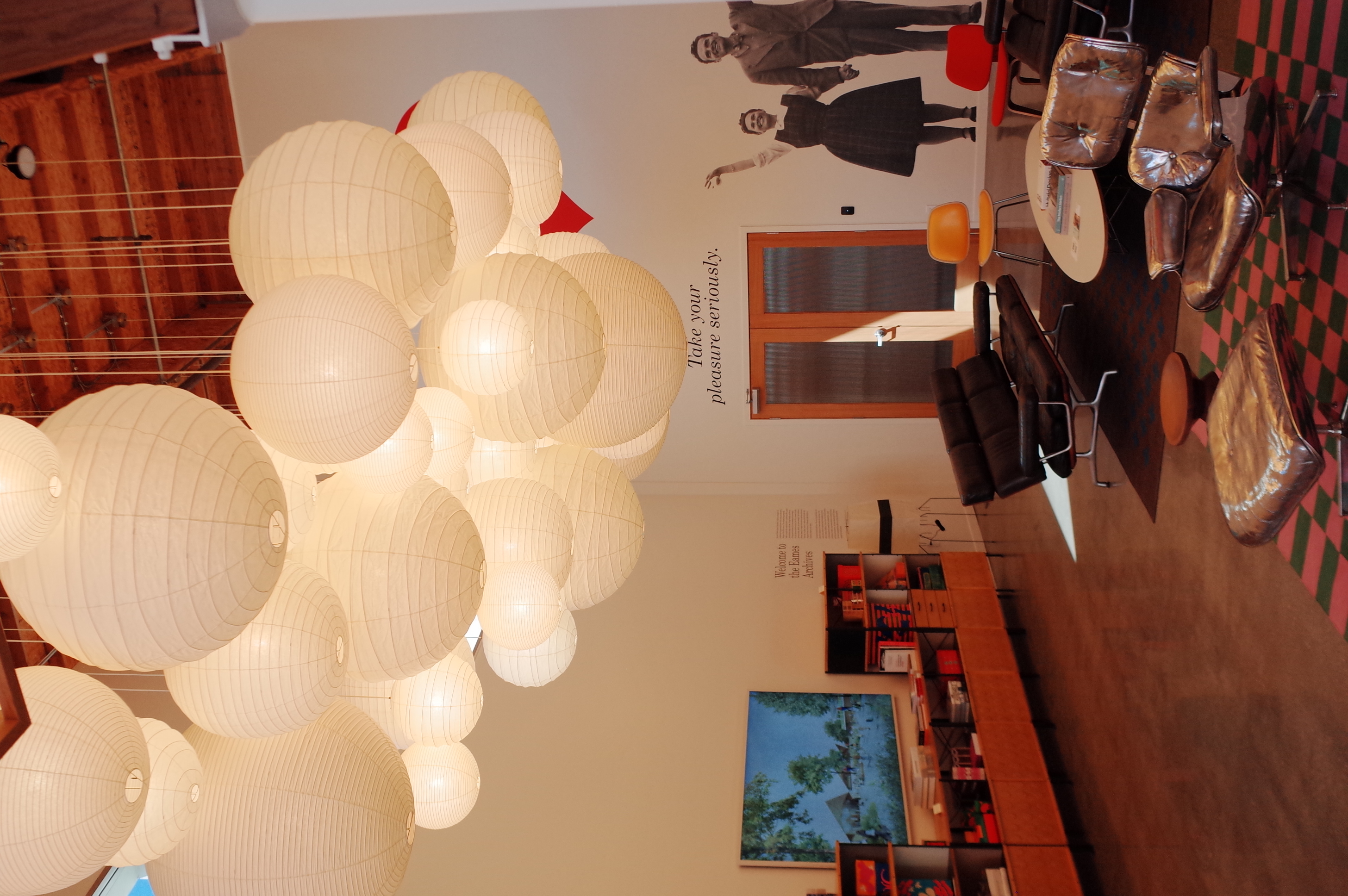
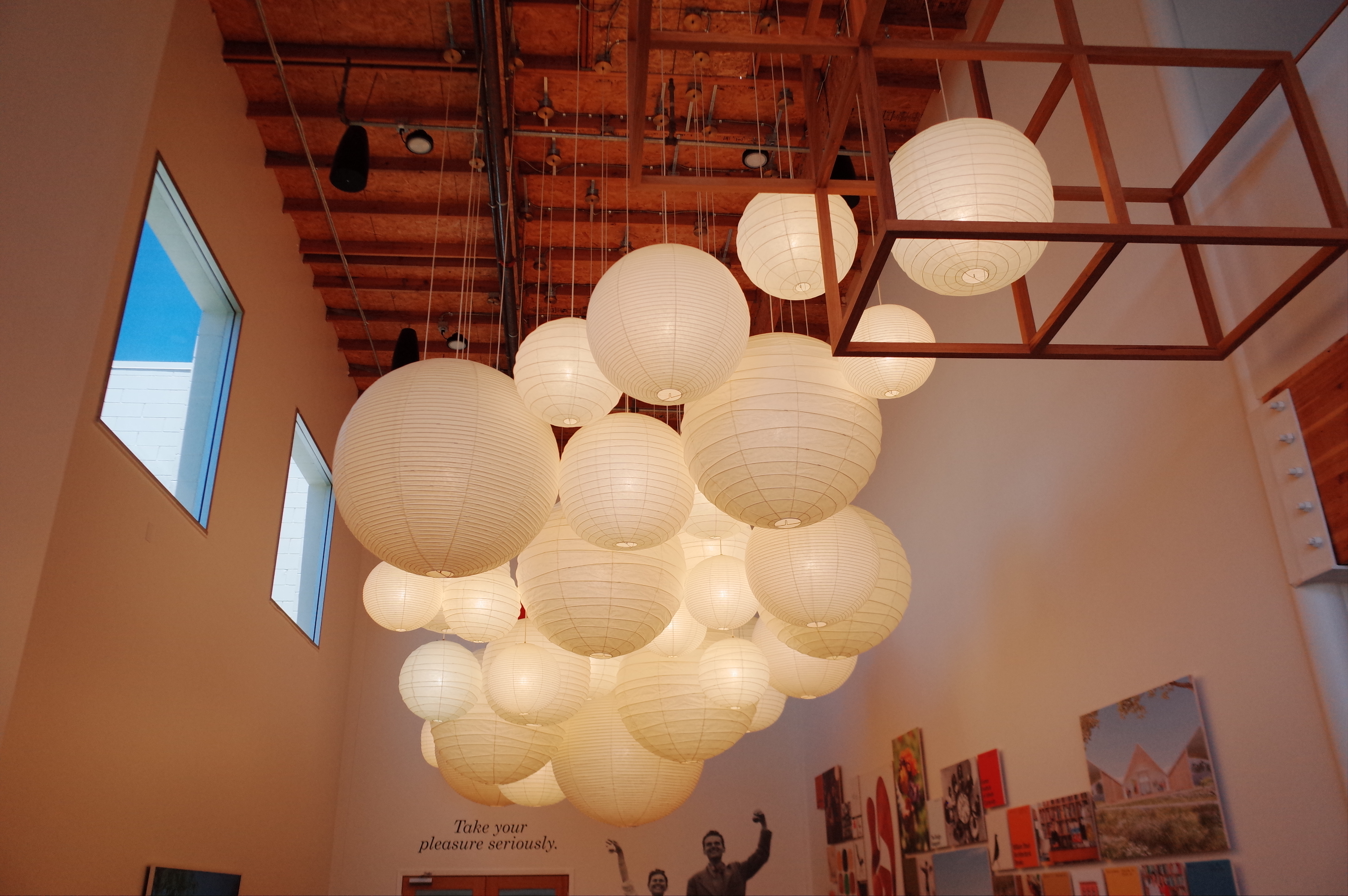
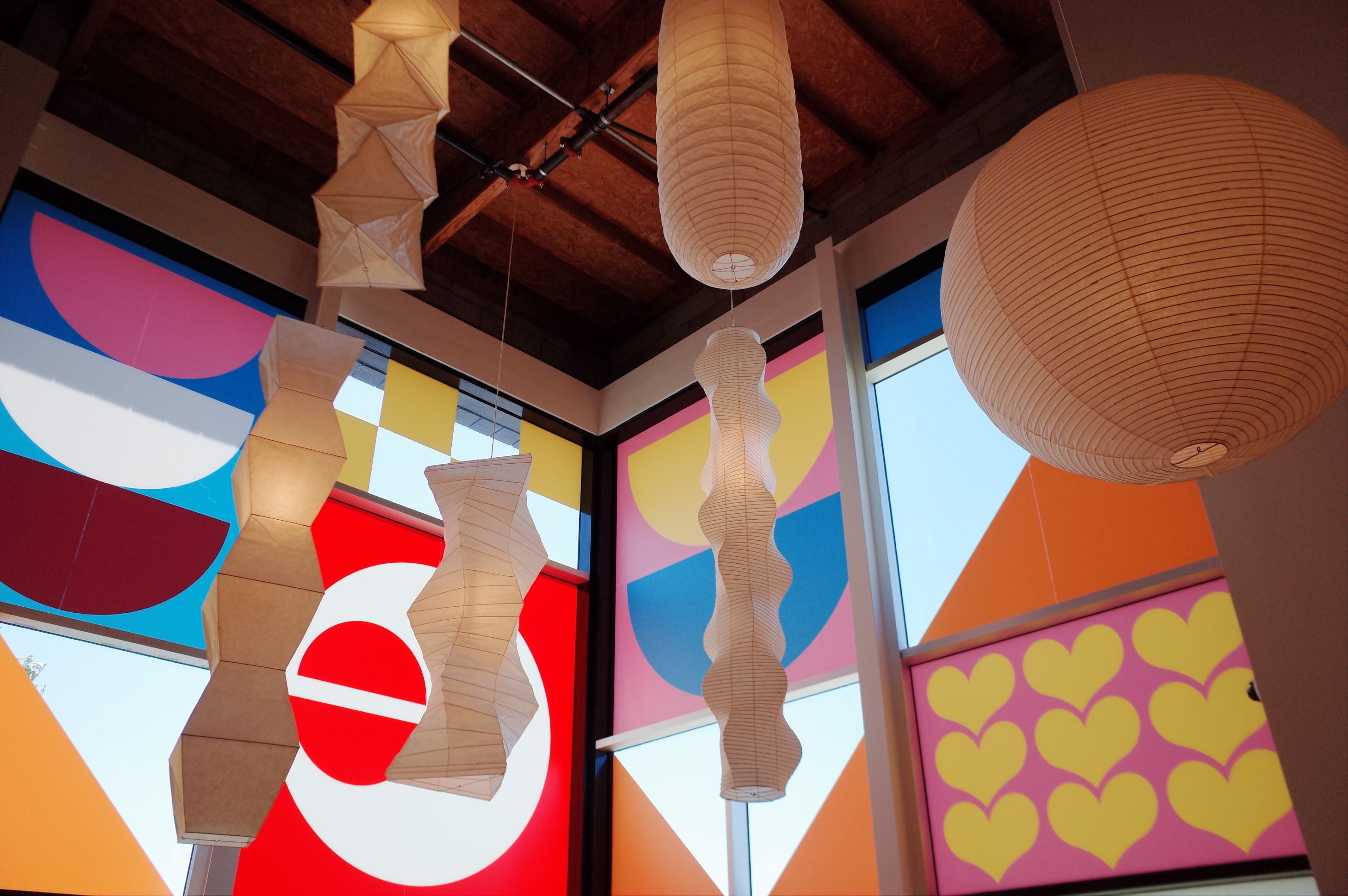
Overhead, a huge cluster of Akari lanterns hangs from the ceiling — dozens of them, all different sizes and shapes, clustered together like a cloud. It's pretty amazing to see that many models at once in one place.
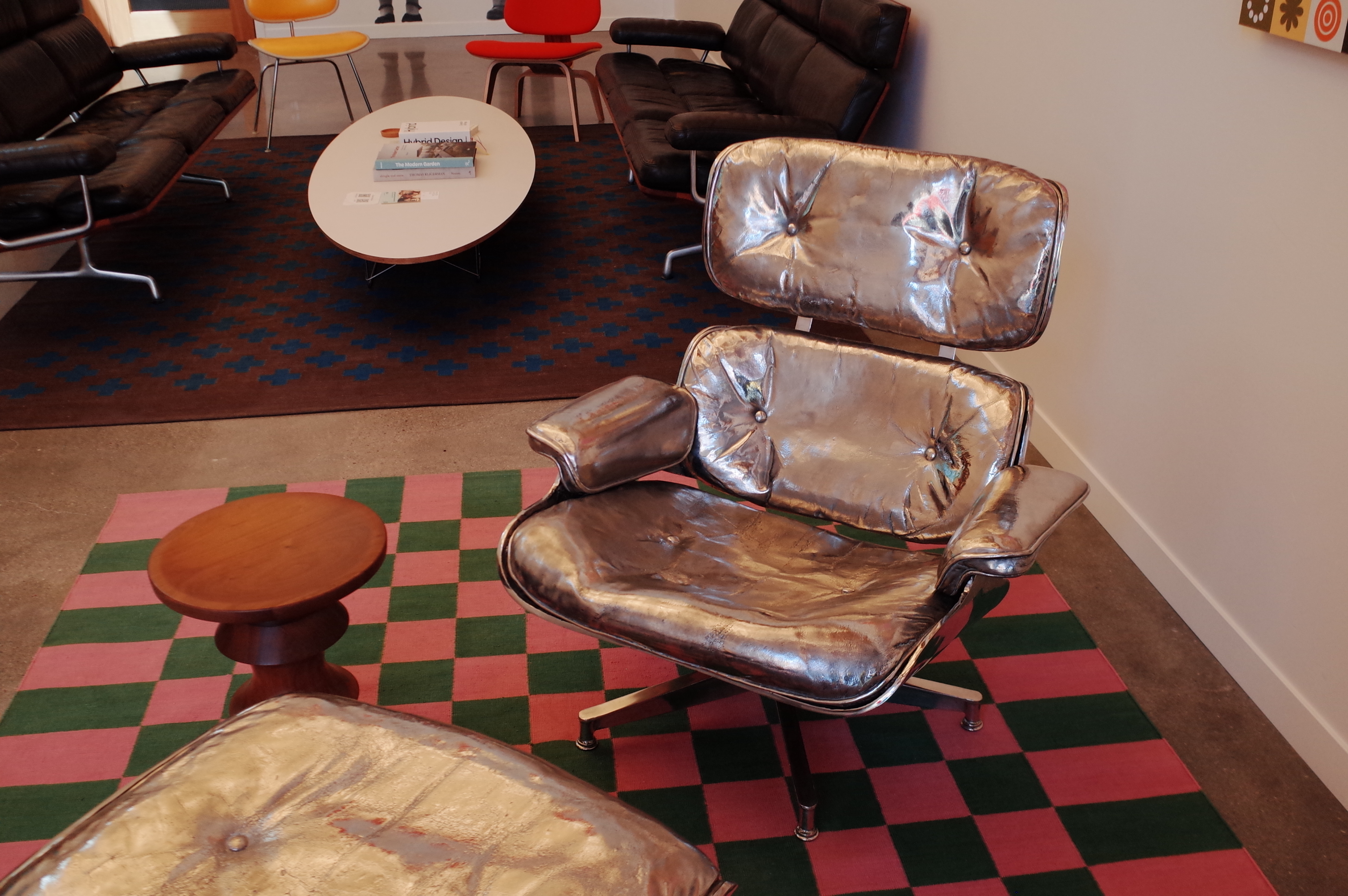
Off to the side, a lounge chair and ottoman made in iron — the same silhouette as the classic Eames Lounge Chair, but cast in metal instead of molded plywood and leather.
There's also a little retail shop on the right as you come in.
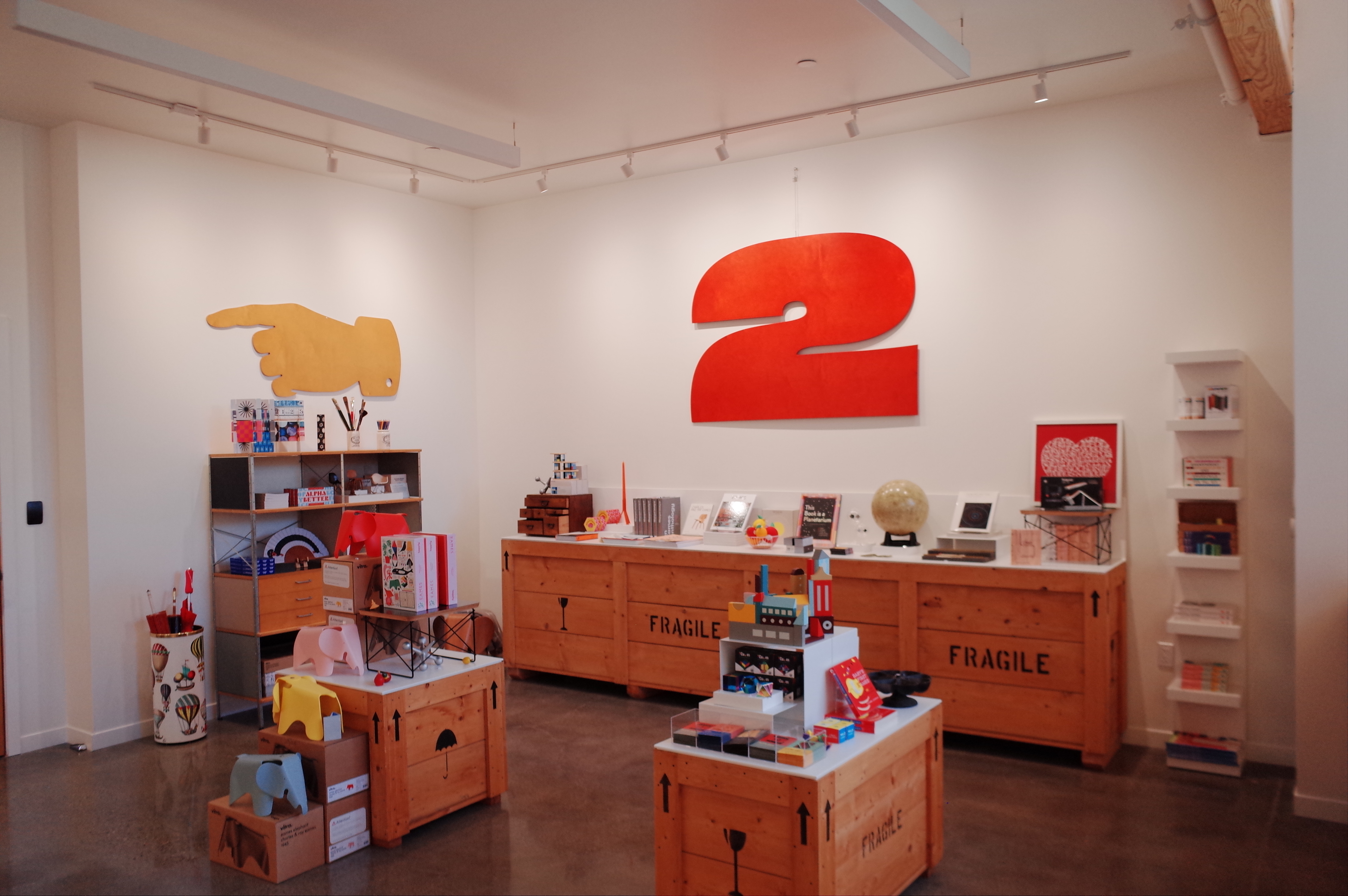
At the start of the tour, we all grouped up by the front door and listened to our guide's introduction. One thing that stuck with me: a proper Eames museum is in the works, to be housed in the former Birkenstock campus in Novato, California, about 28 miles north of San Francisco.
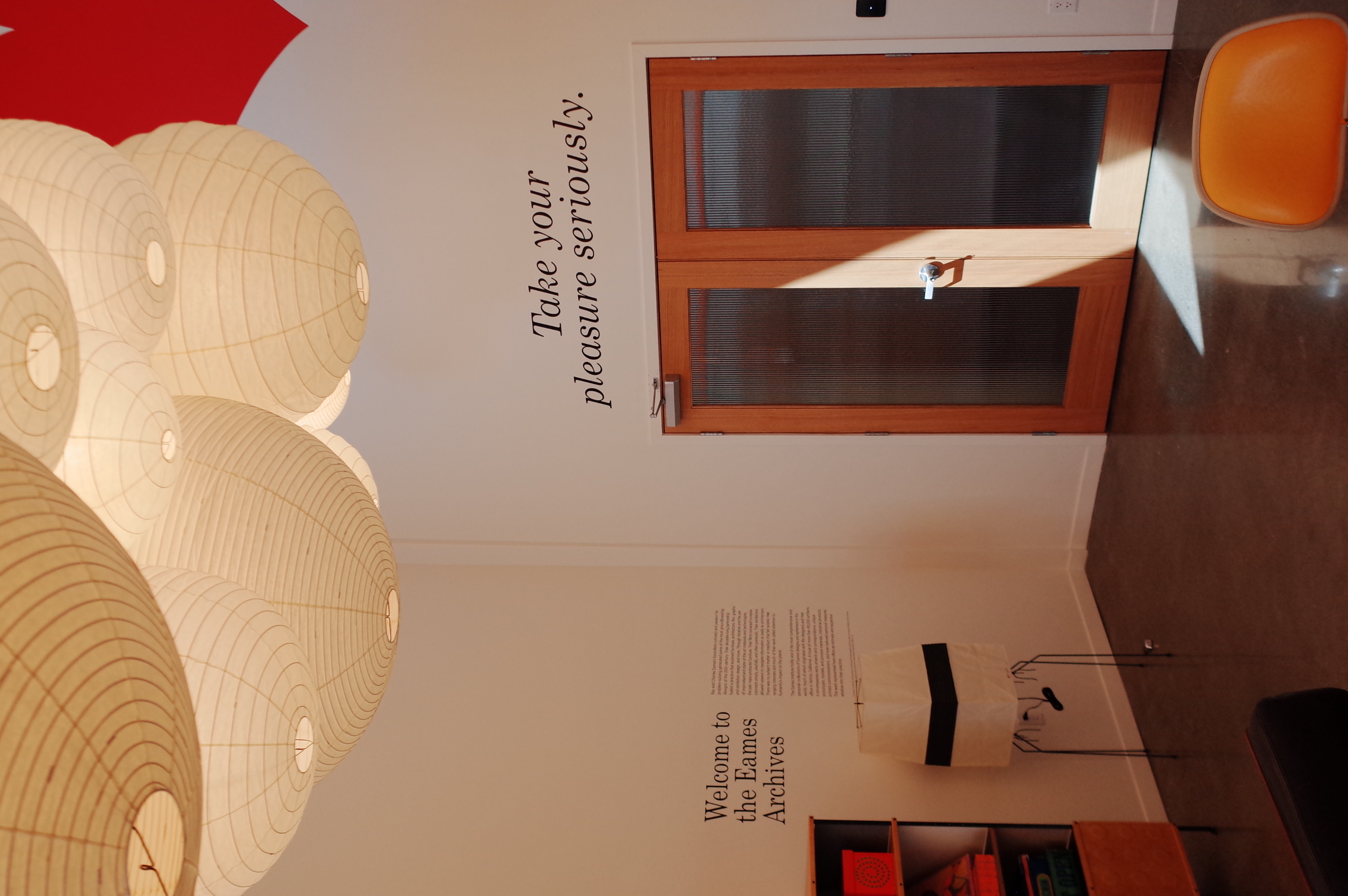
Inside the Archive
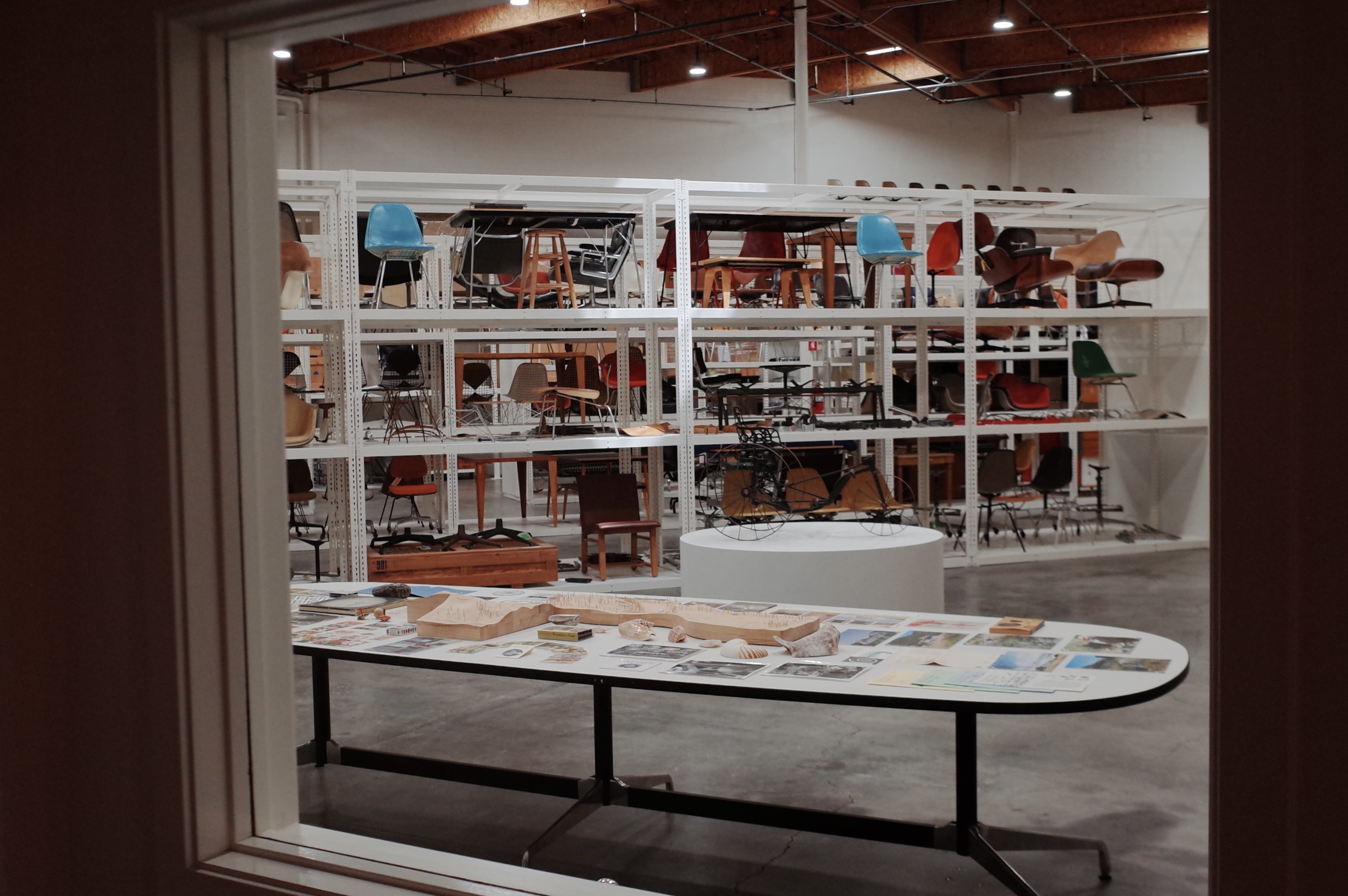
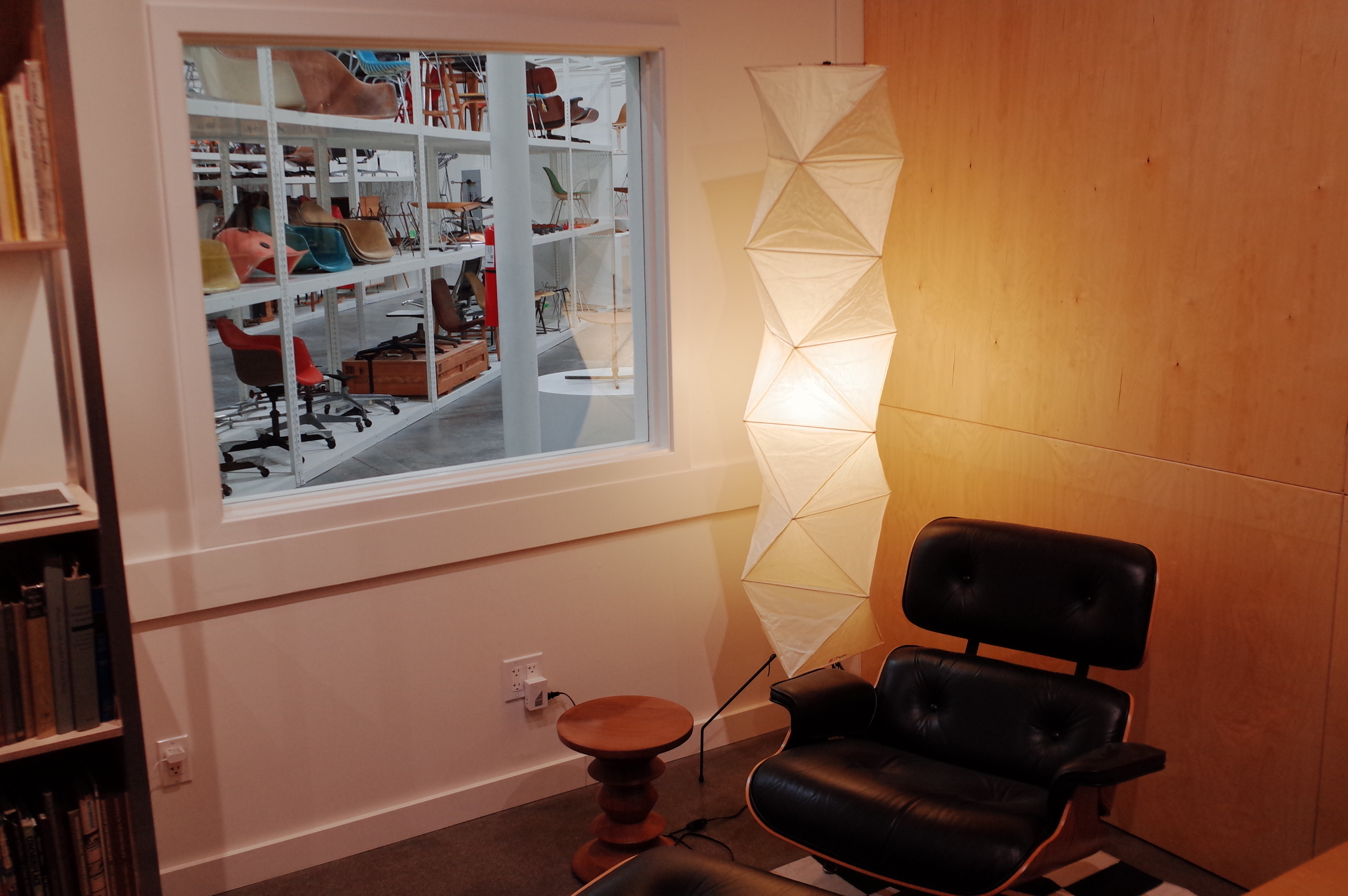
Just past the door, a window lets you peek into the archive itself — rows of furniture stacked back as far as you can see.
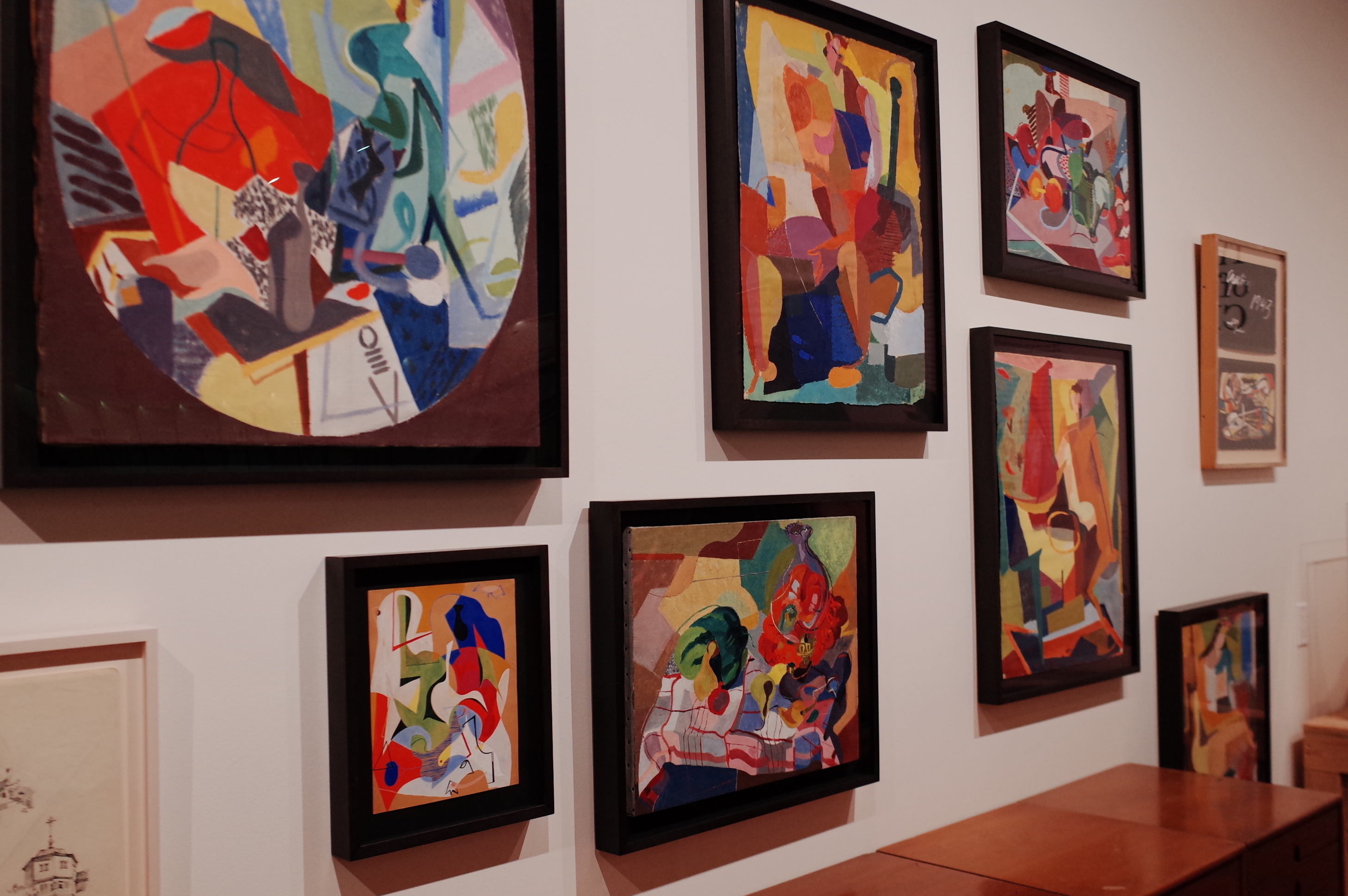
A few of Ray Eames's paintings, from before she was known for furniture.
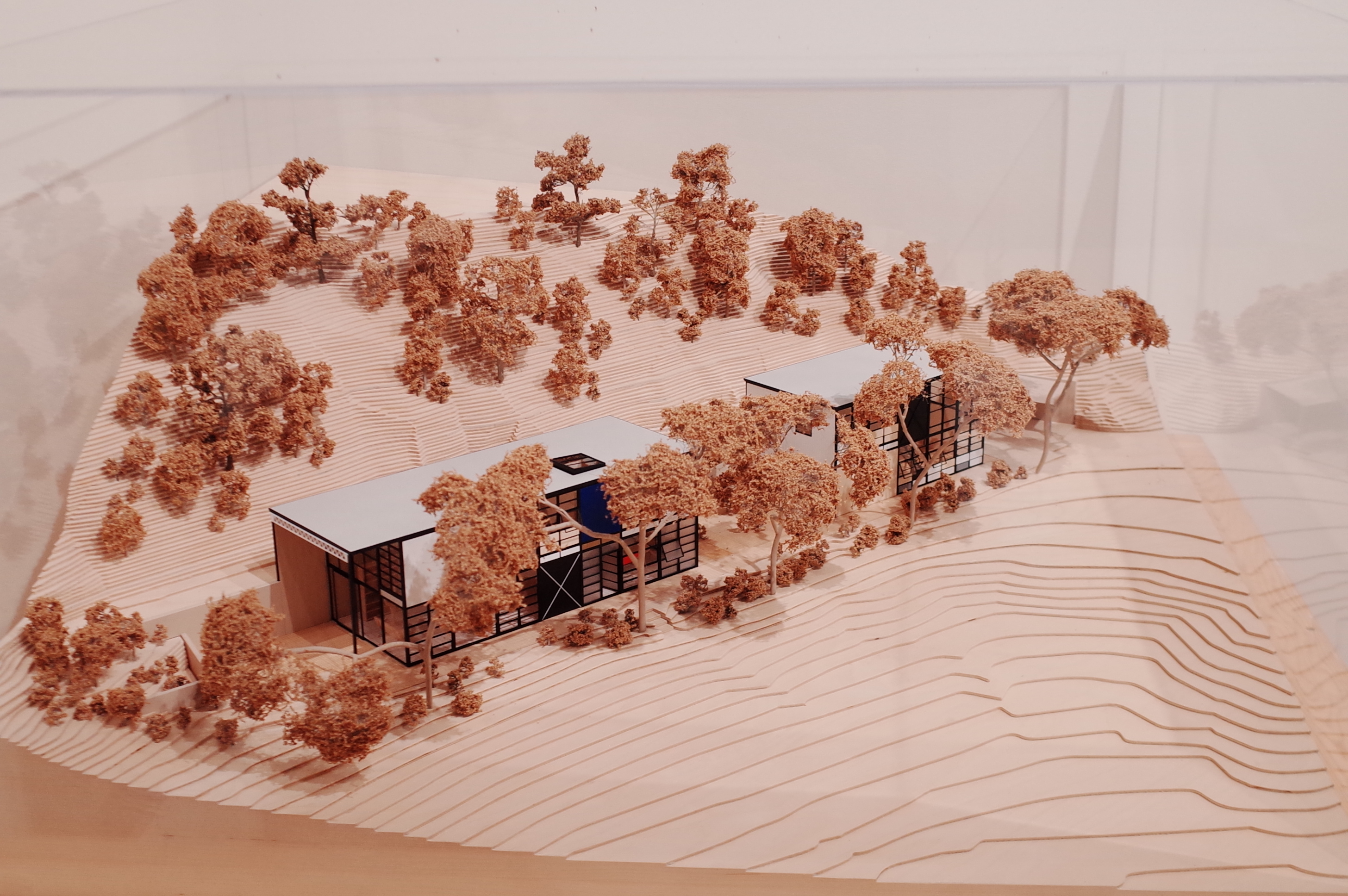
This is a model of the Eames House — Case Study House #8, part of the postwar Case Study House Program spearheaded by John Entenza, editor of Arts & Architecture magazine. The program set out to tackle a real challenge: how to build modern, affordable homes for the millions of Americans who'd need them after the war. The actual house still stands in Pacific Palisades, LA.
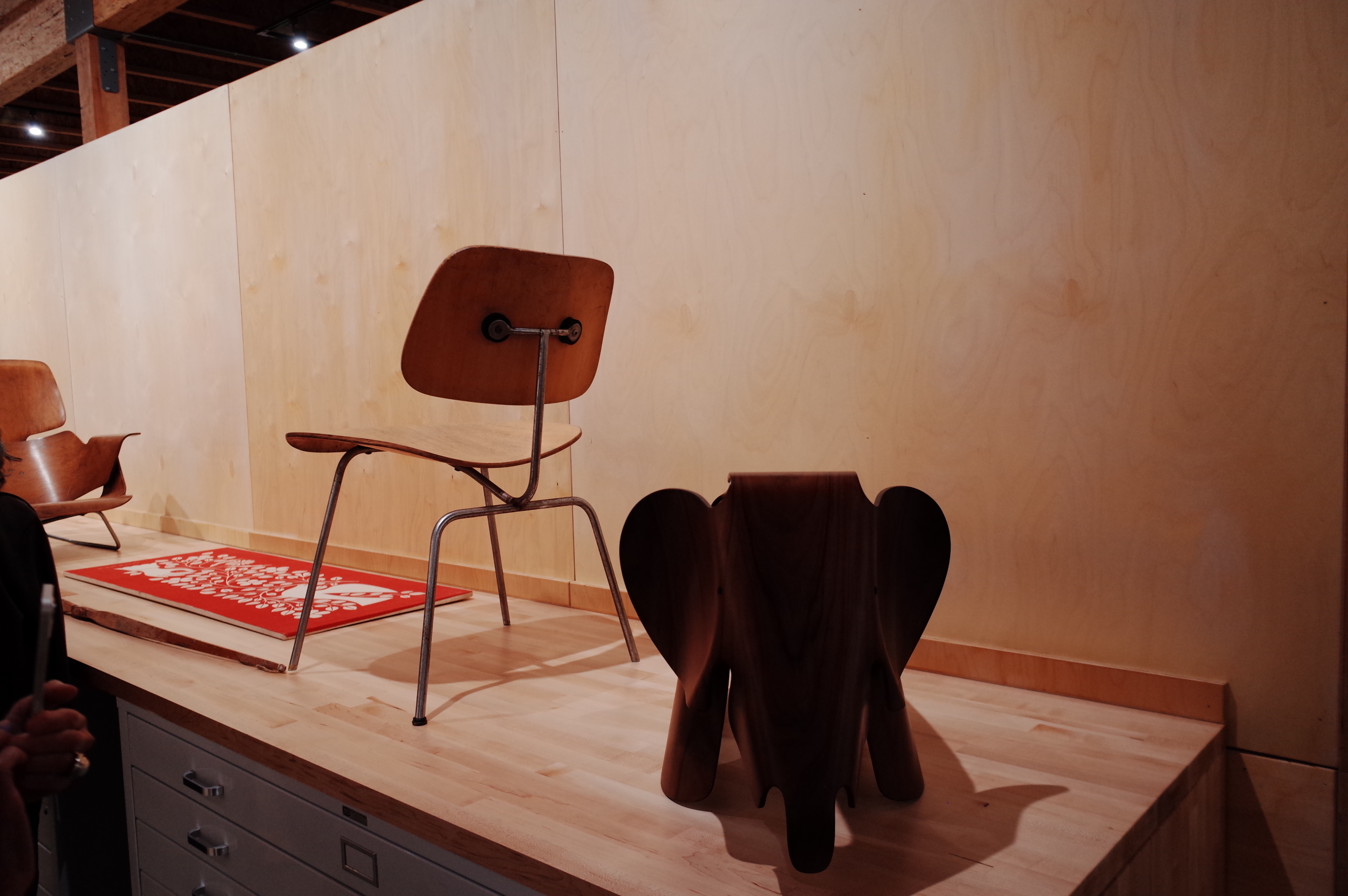
An Eames DCM chair sitting next to the iconic wood Eames Elephant — a molded plywood toy Charles and Ray originally designed in the 1940s.
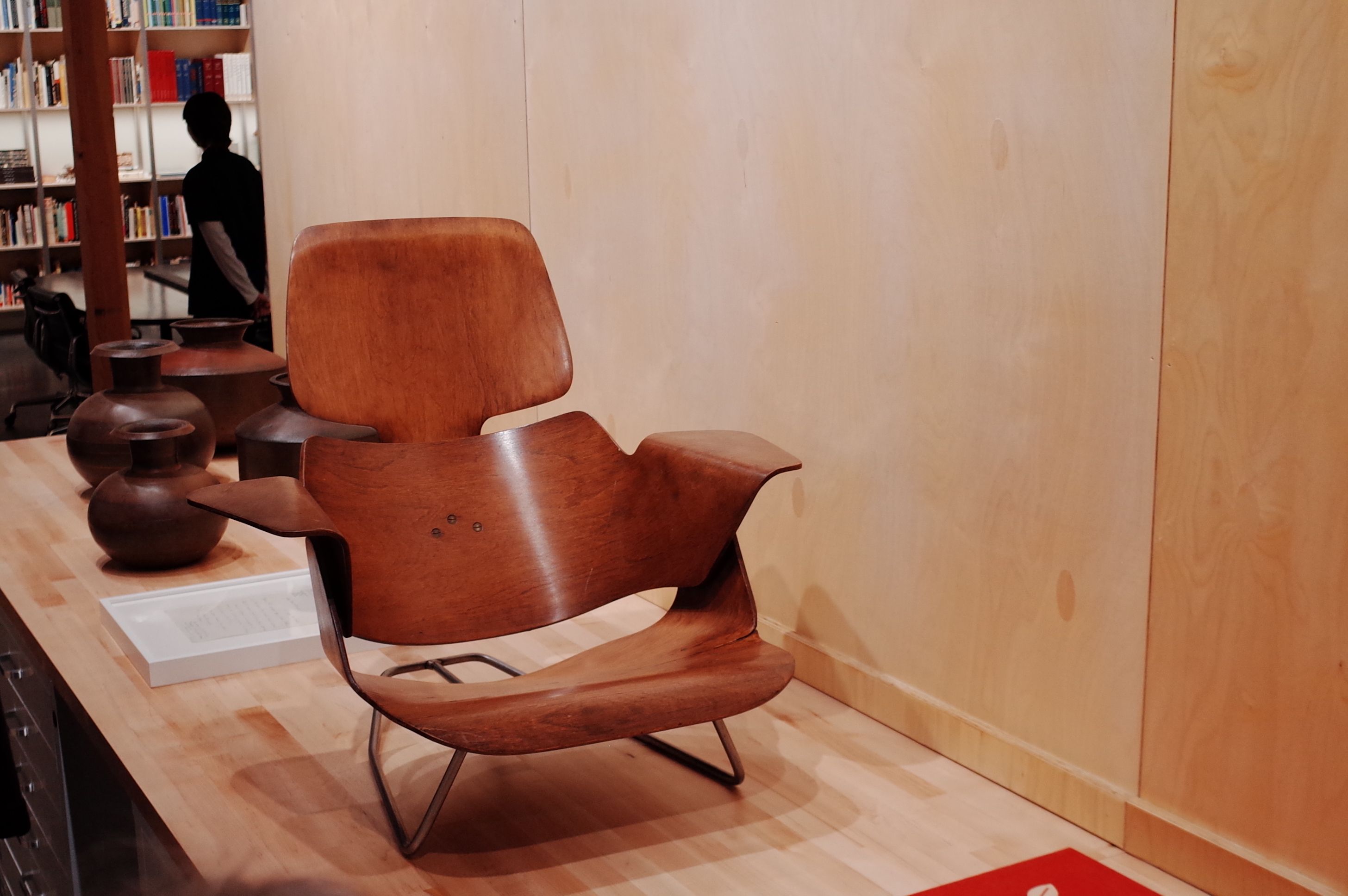
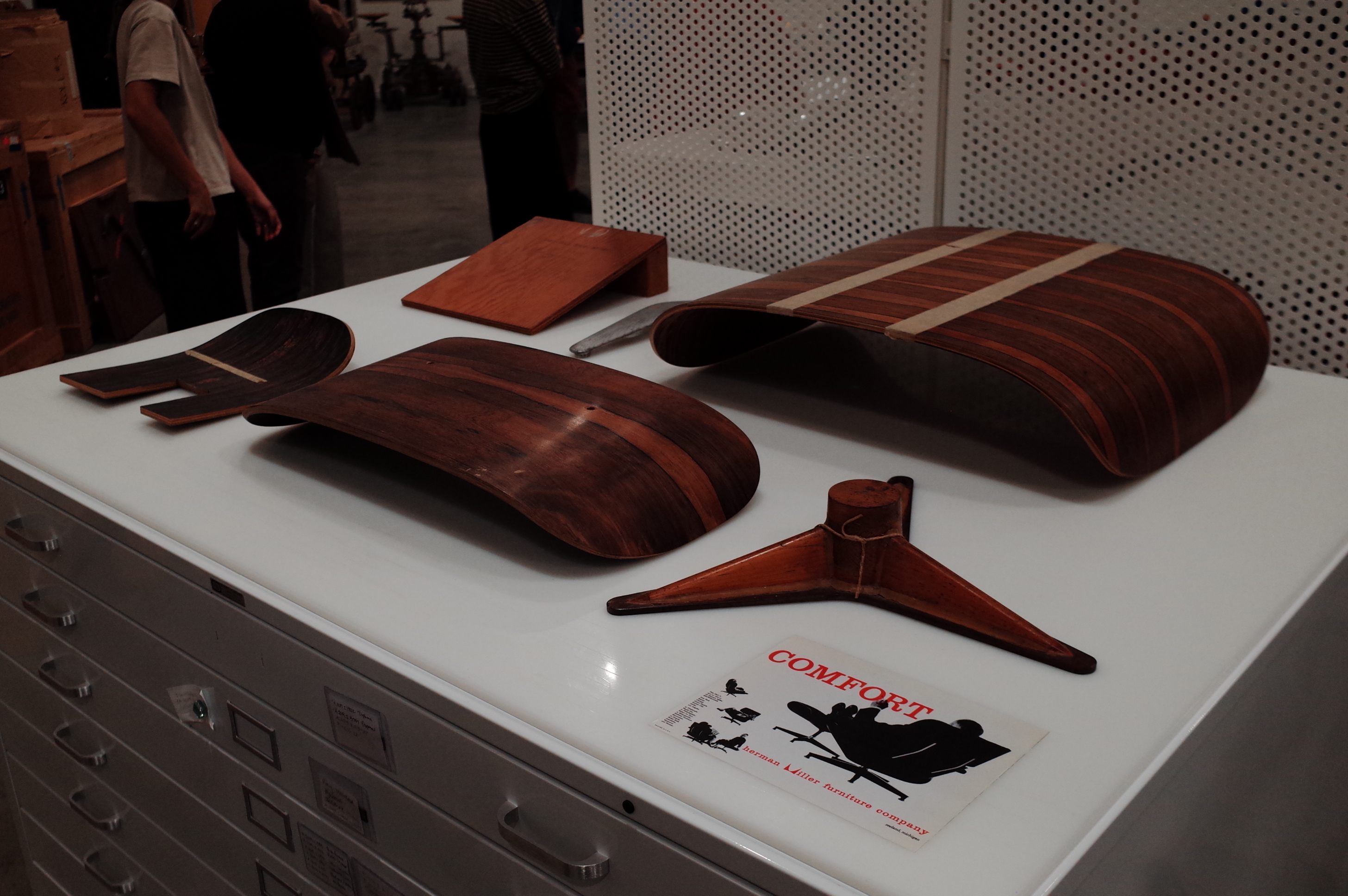
A prototype of the lounge chair, its shell far more sculptural than what eventually went into production.
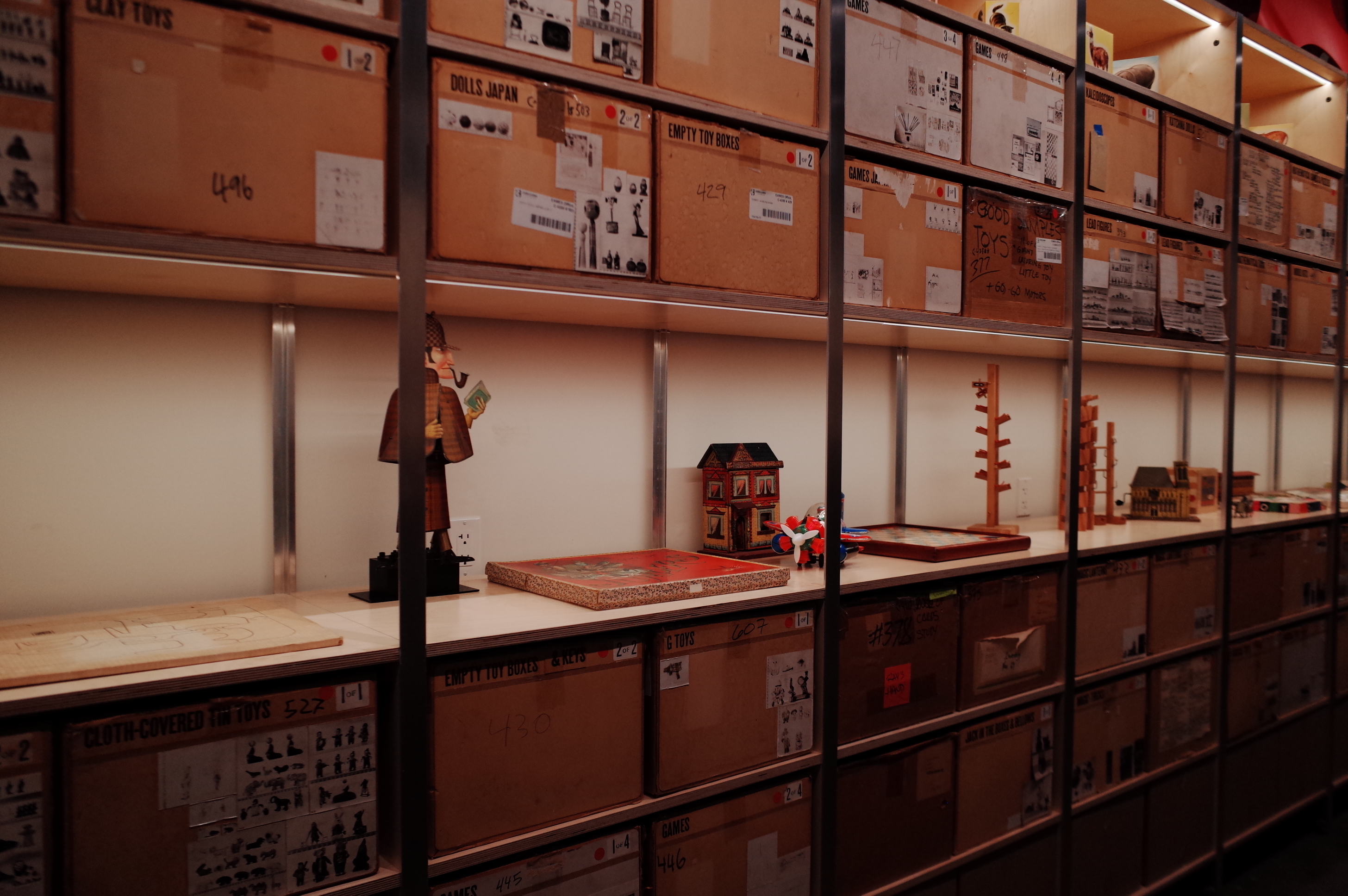
Shelves from the Eameses' own toy collection.
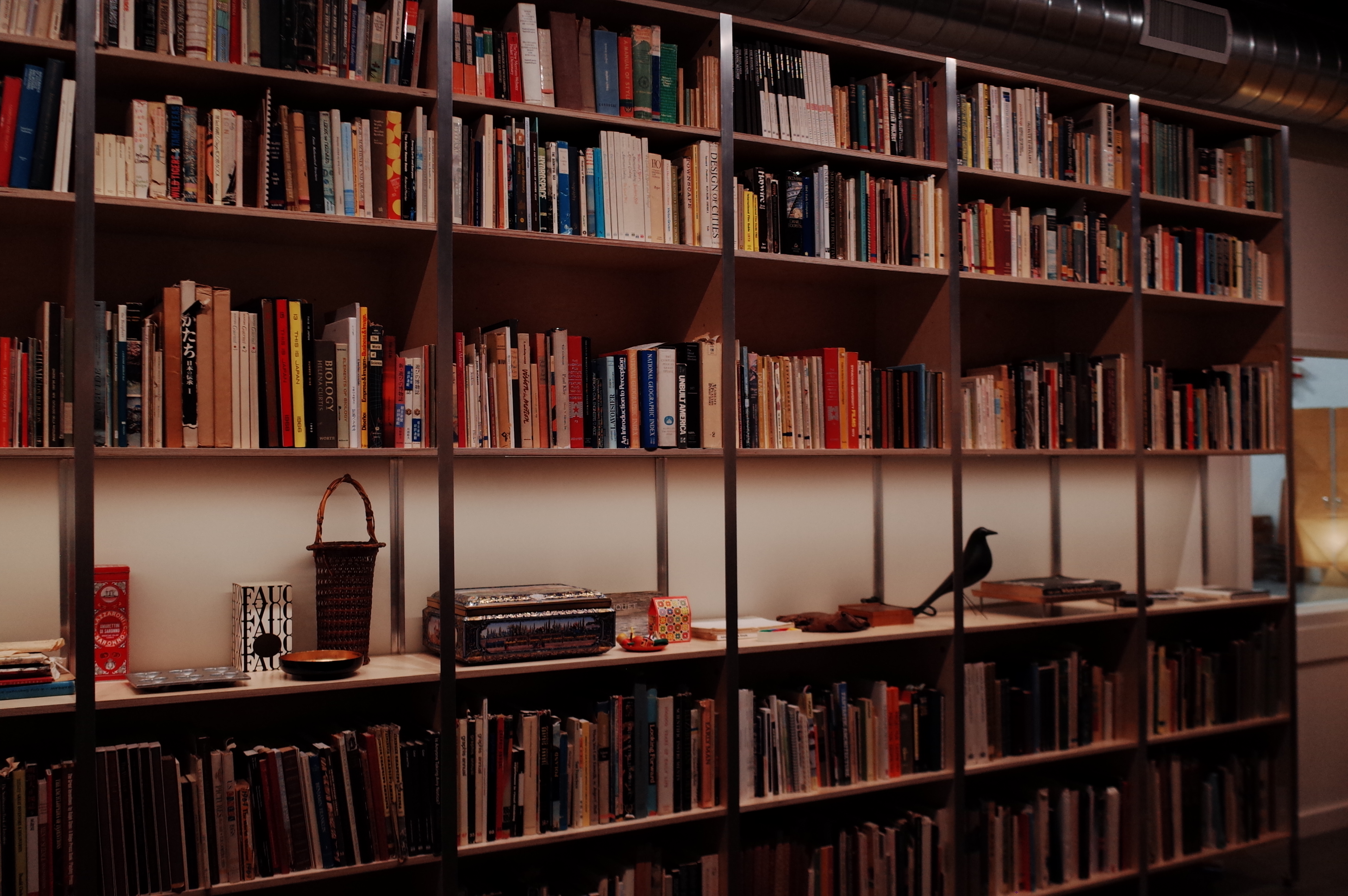
And their book collection, just as extensive.
History on the Walls
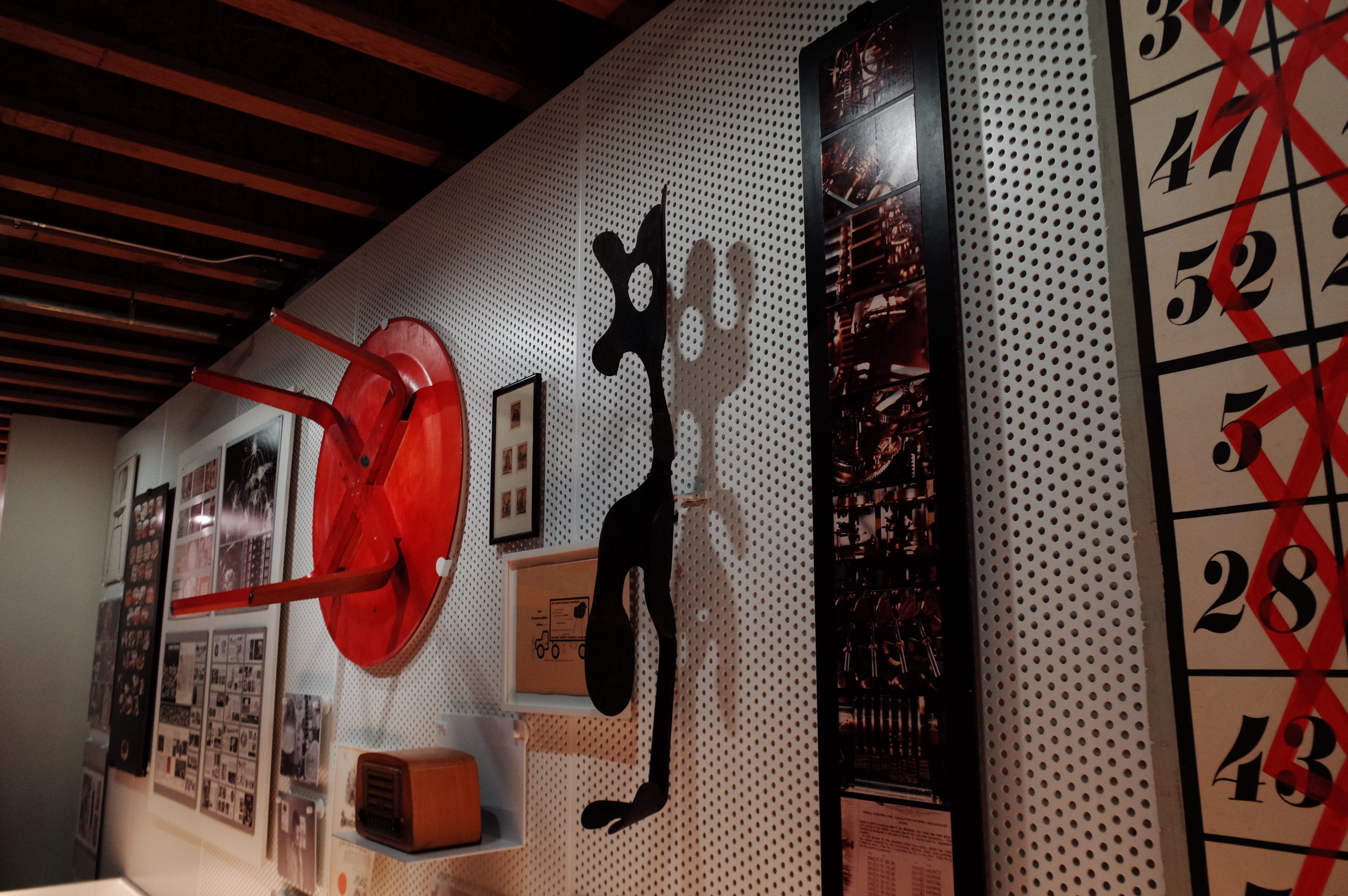
A display case traces the Herman Miller and Eames Office timeline decade by decade, packed with early photos, sketches, and production pieces.
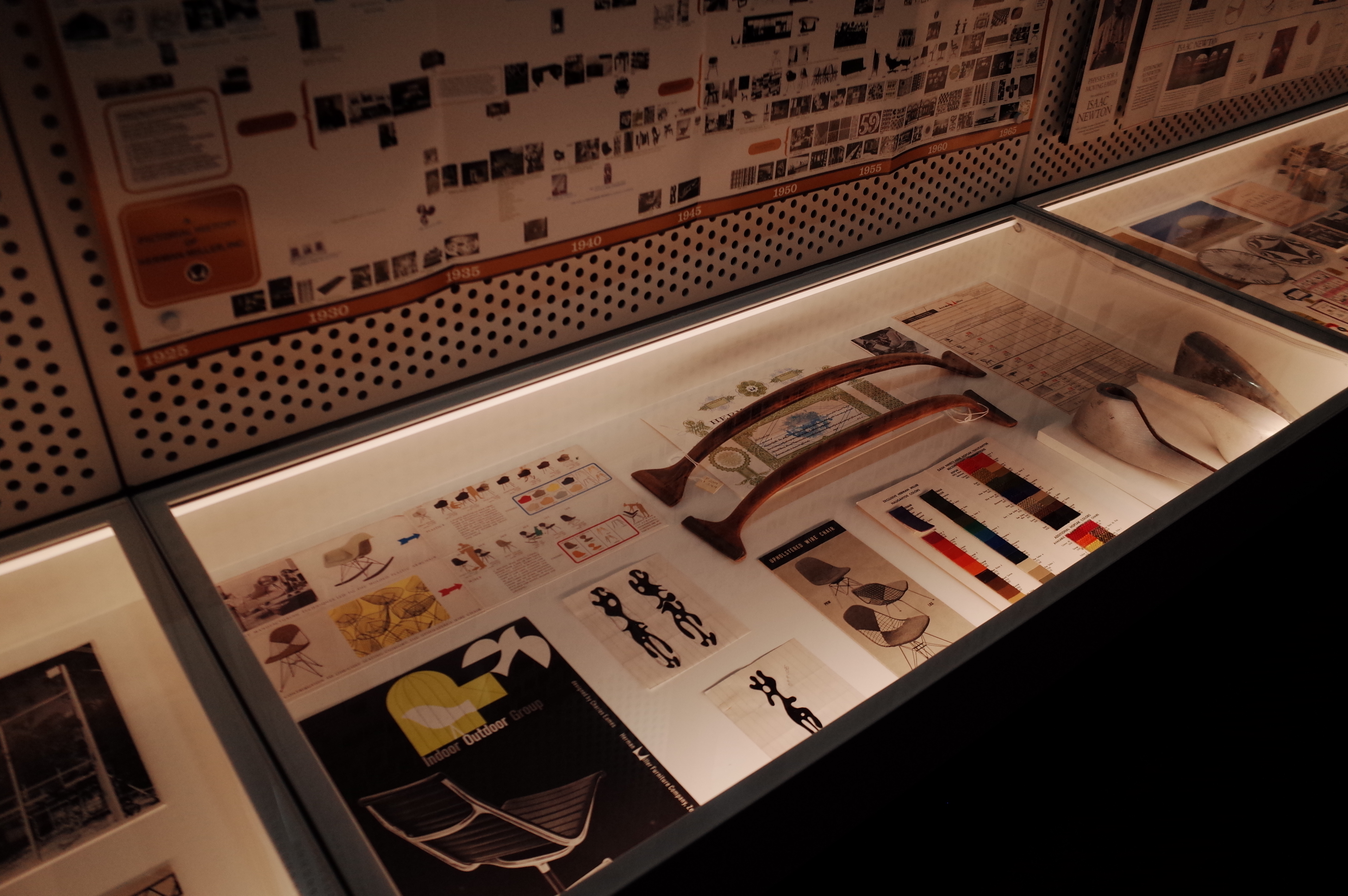
The curved wood piece in the center of this case is one of the actual Leg Splints Charles and Ray designed for the U.S. Navy during WWII — molded plywood used to stabilize an injured leg during transport. After the war, the same molding technique they developed for it became the foundation of their furniture work.
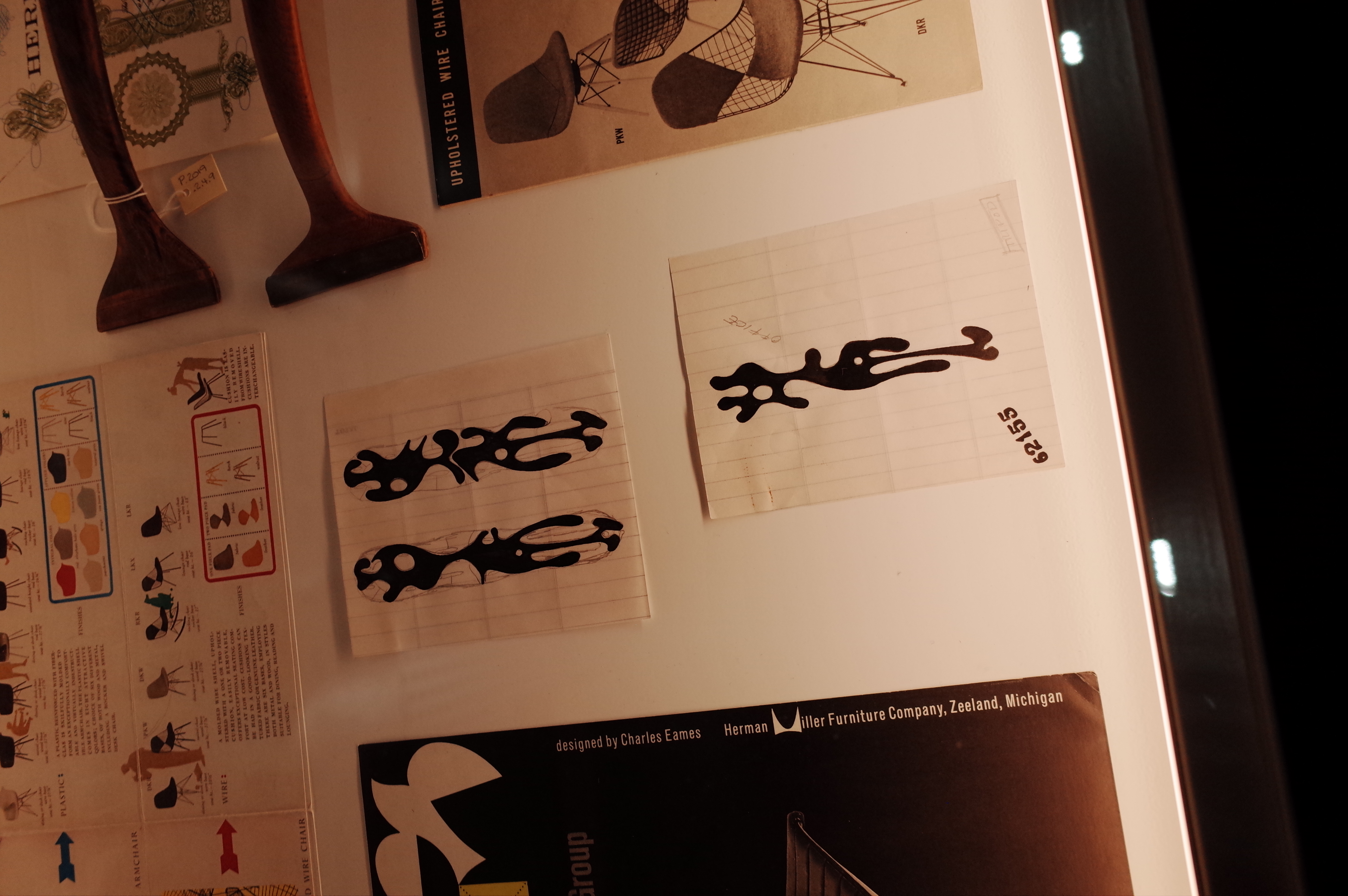
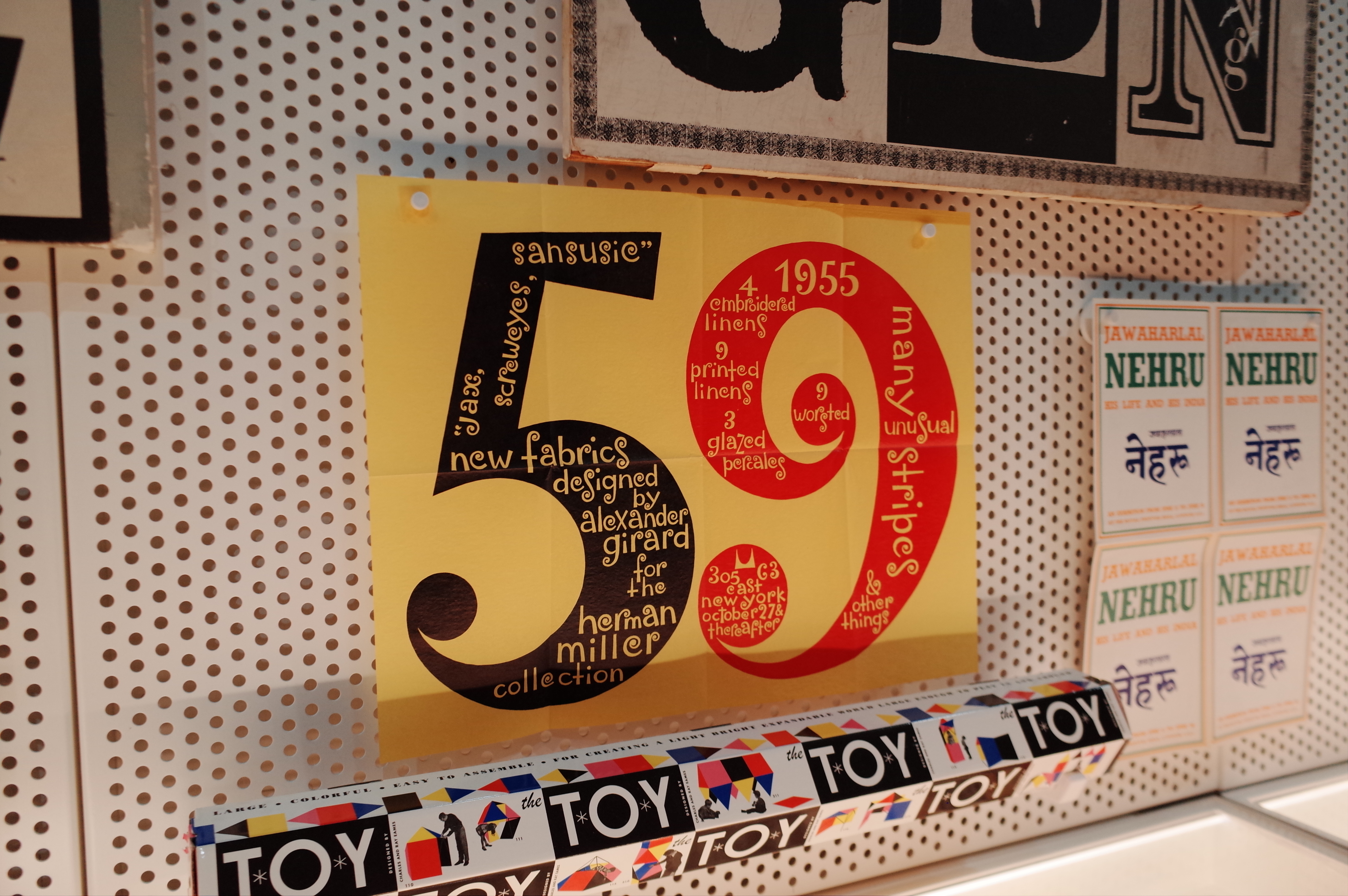
A 1955 poster advertising new textiles — "Jax," "Screweyes," "Sansusie" — designed by Alexander Girard for the Herman Miller collection.
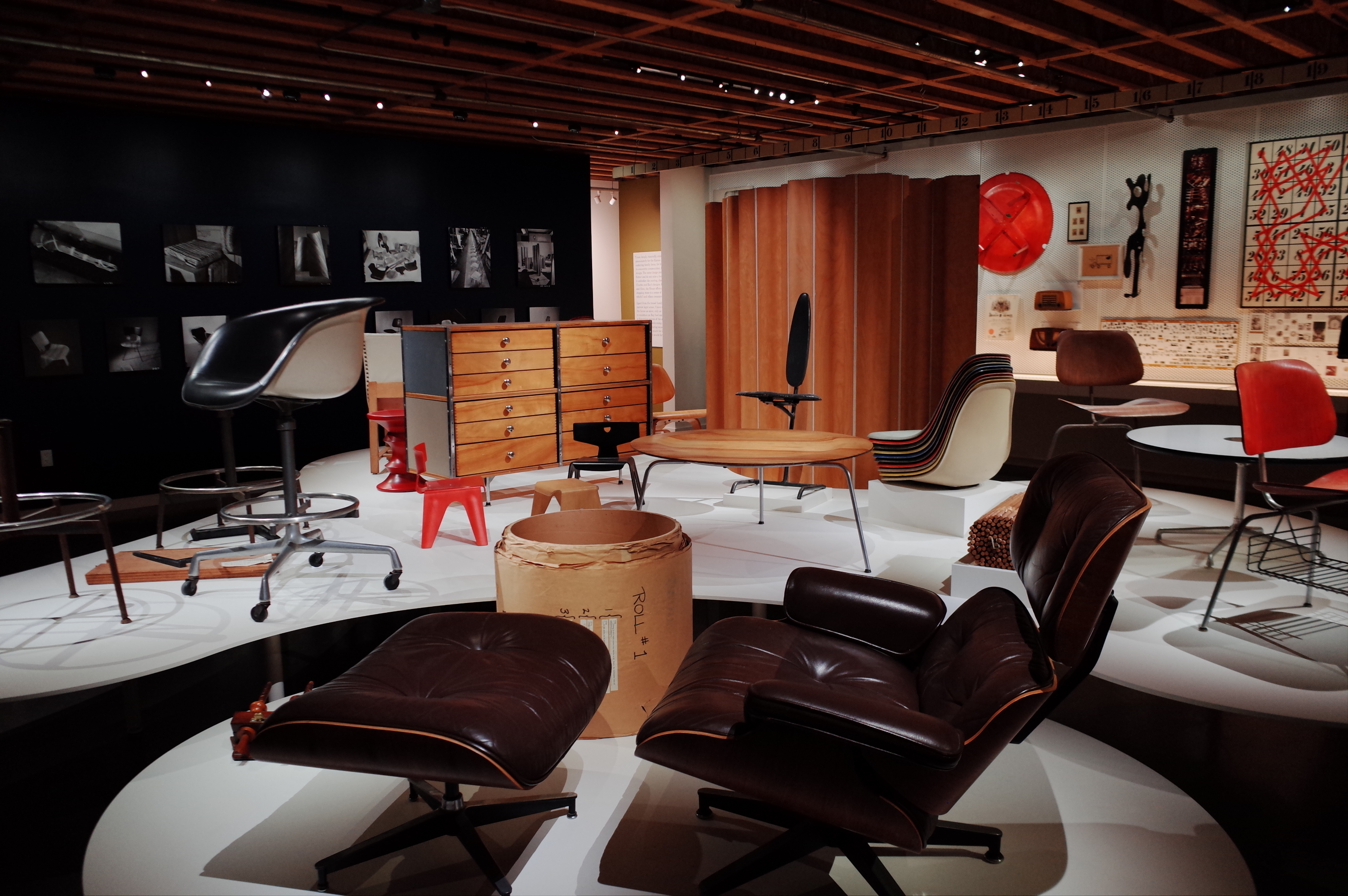
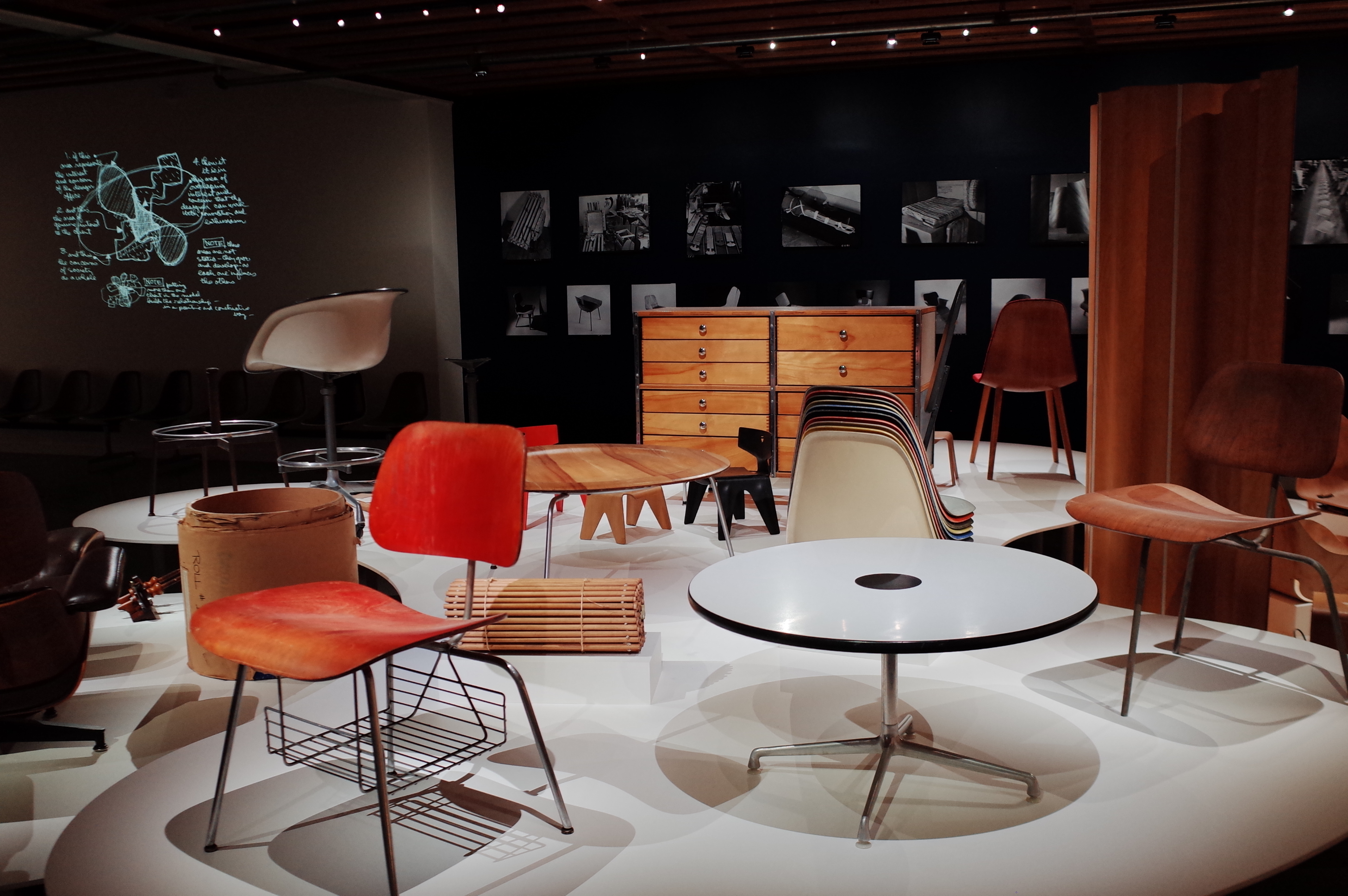
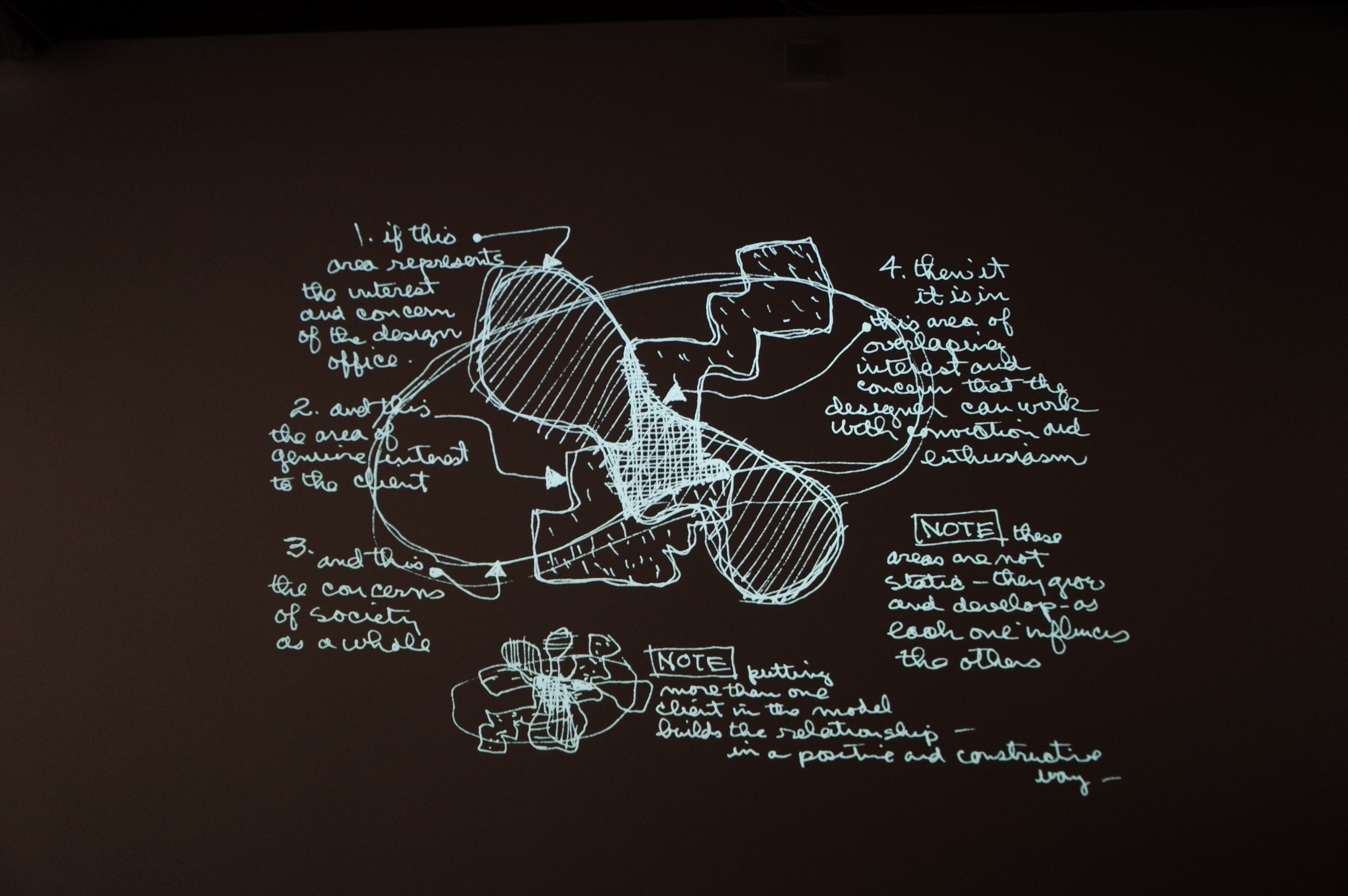
Part of the visit included a talk on Ray and Charles's design philosophy, projected on the wall. Their design philosophy can be summarized in three overlapping circles: the interests of the design office, the concerns of the client, and the concerns of society as a whole.
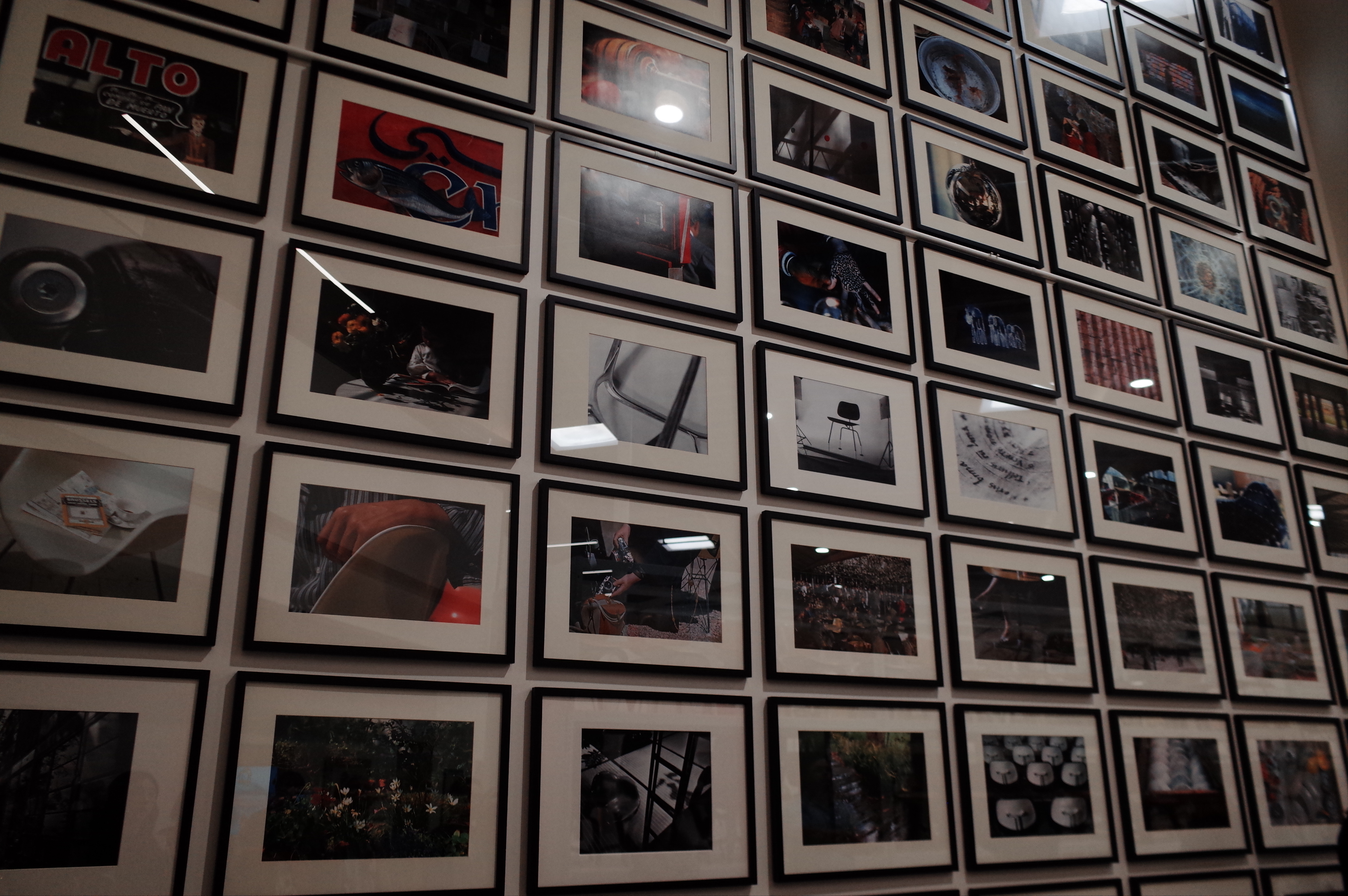
The Chair Archive
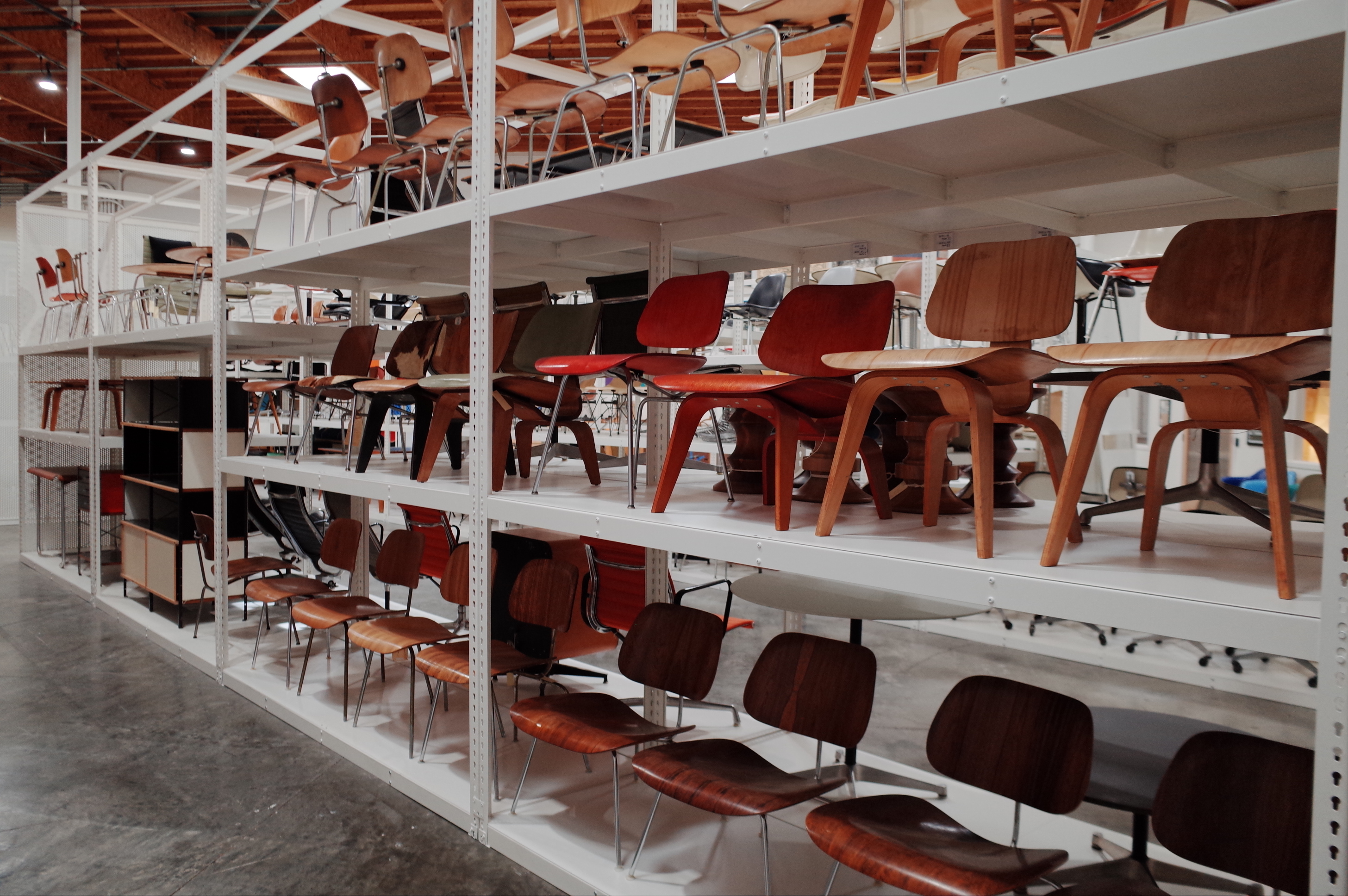
This part is hard to describe without seeing it in person — rows of industrial shelving stacked floor to ceiling with chairs, in almost every material and color they were ever produced in.
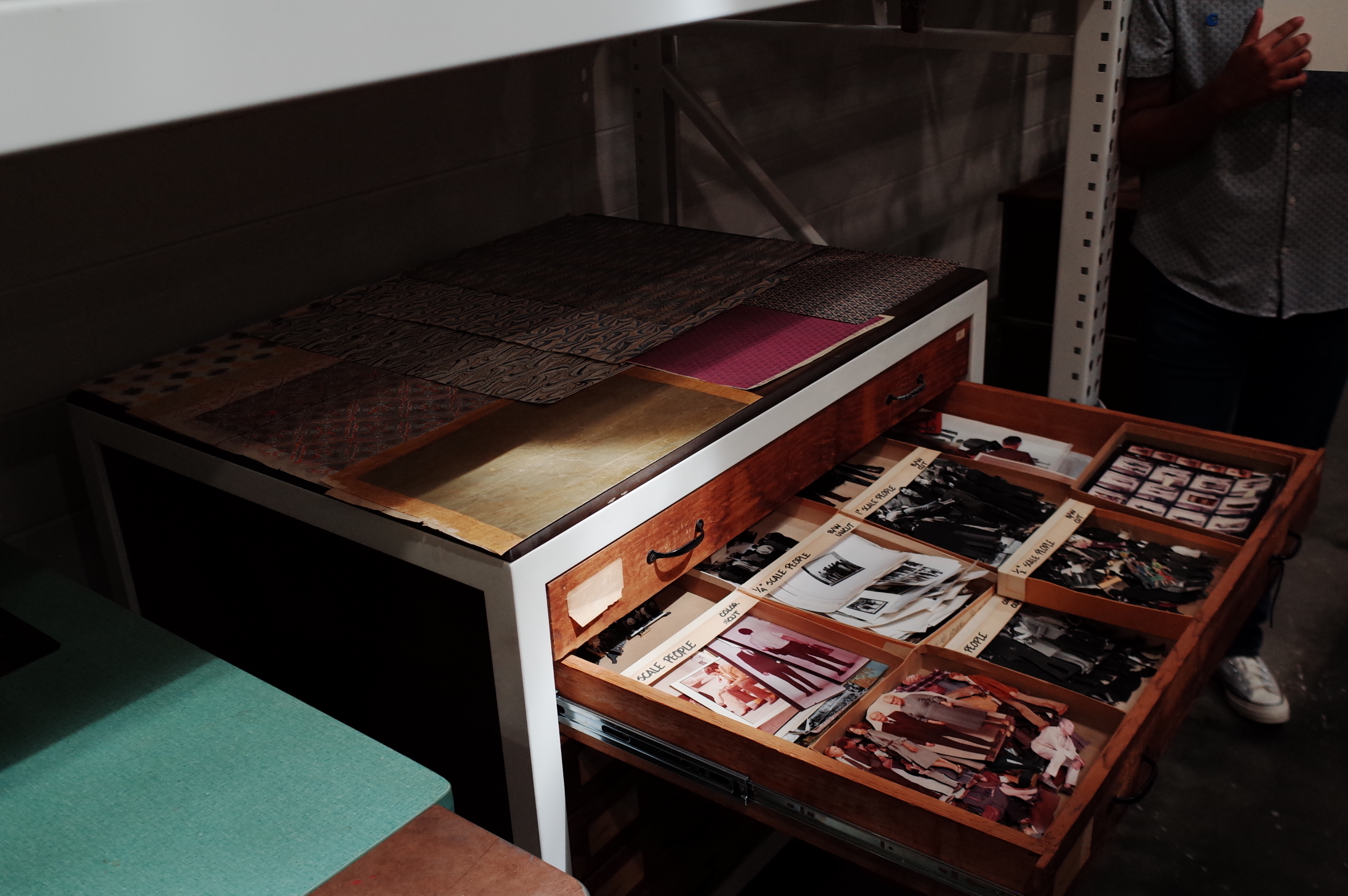
One drawer in particular stuck with me — it's full of the archive's "scale people," cutouts made from real employees' photos, shrunk down and used to populate architectural models. Once a figure's been used in a model, it gets filed away into a "used" box, so the same face doesn't accidentally show up twice.
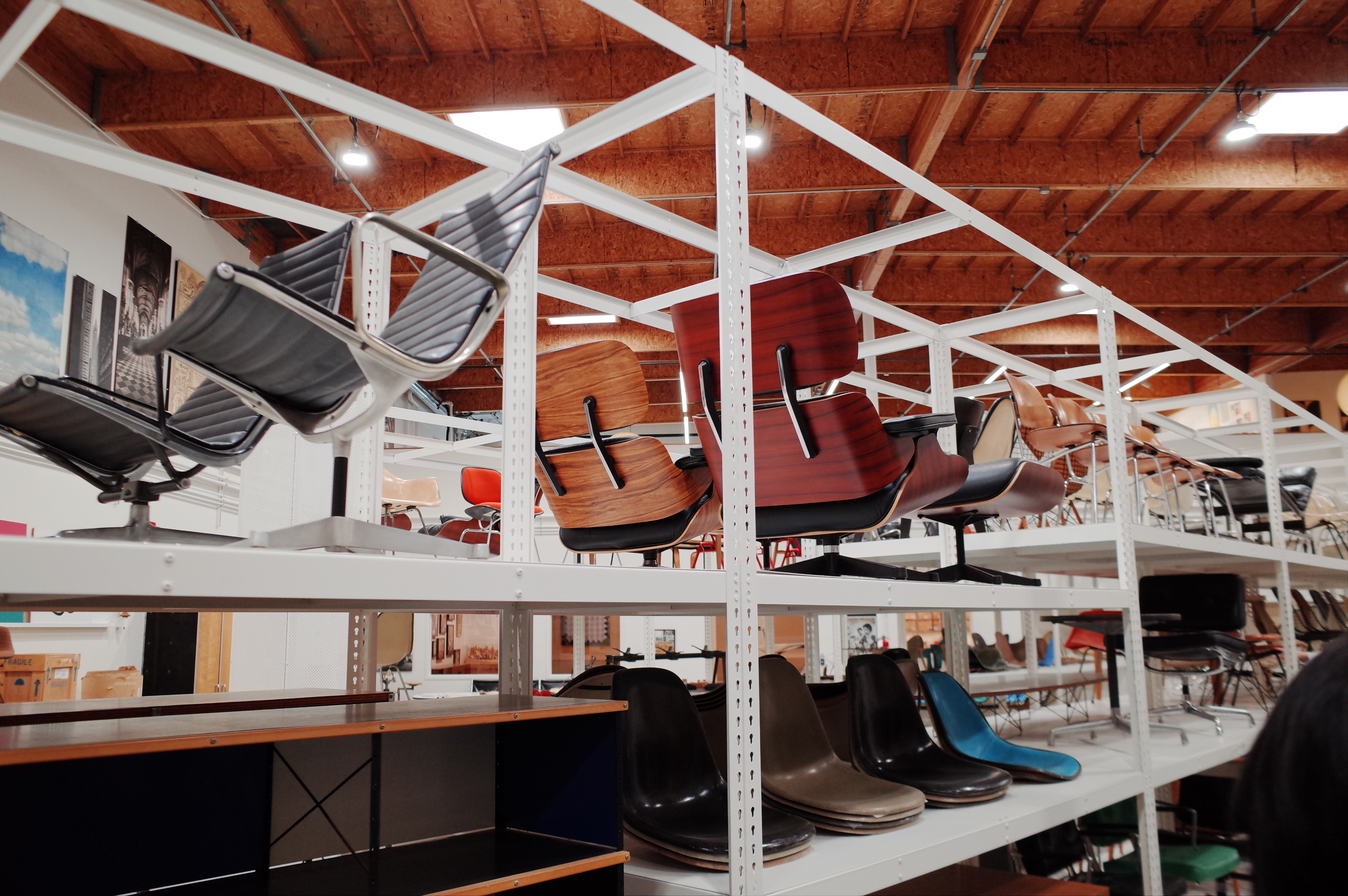
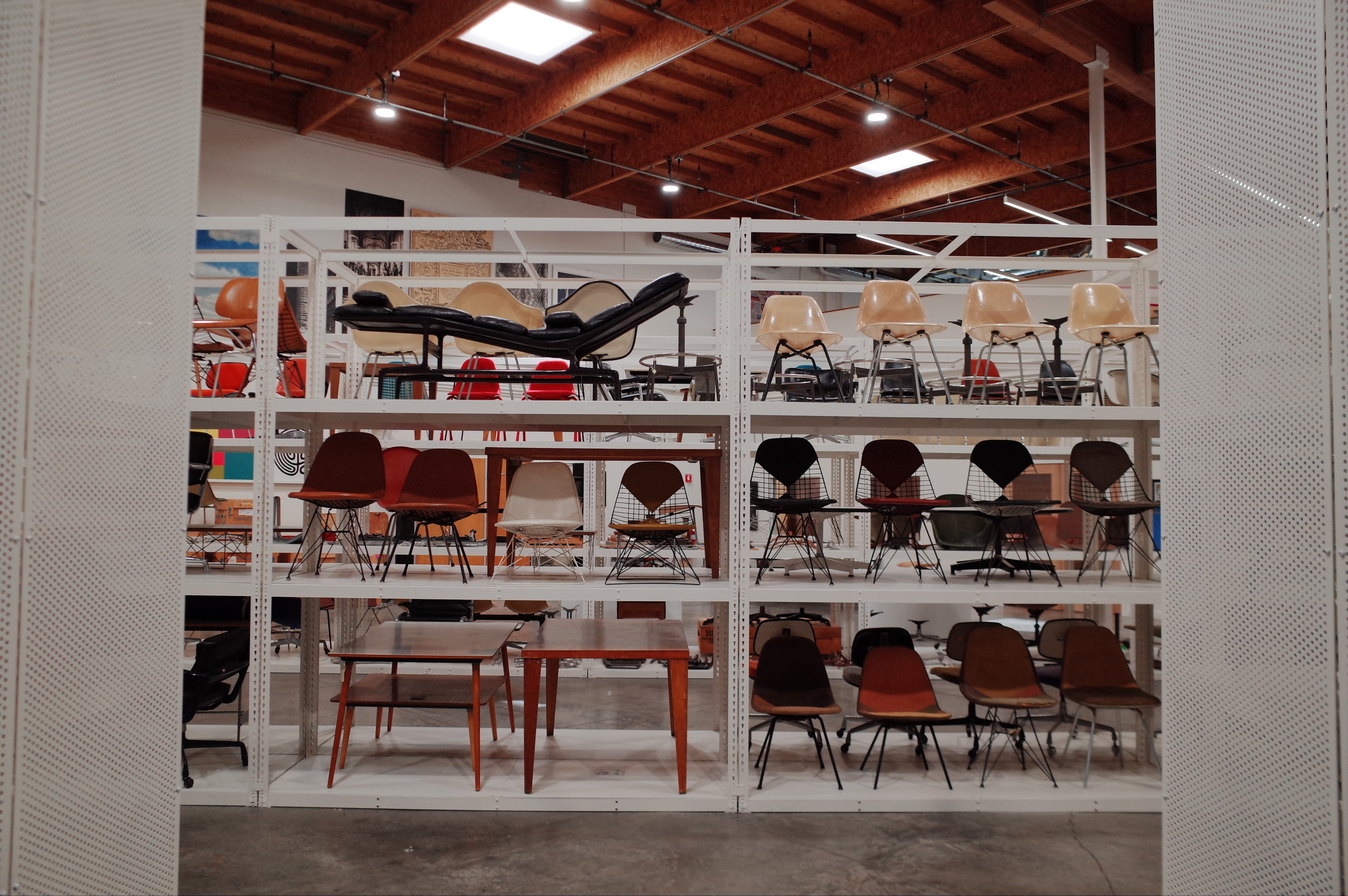
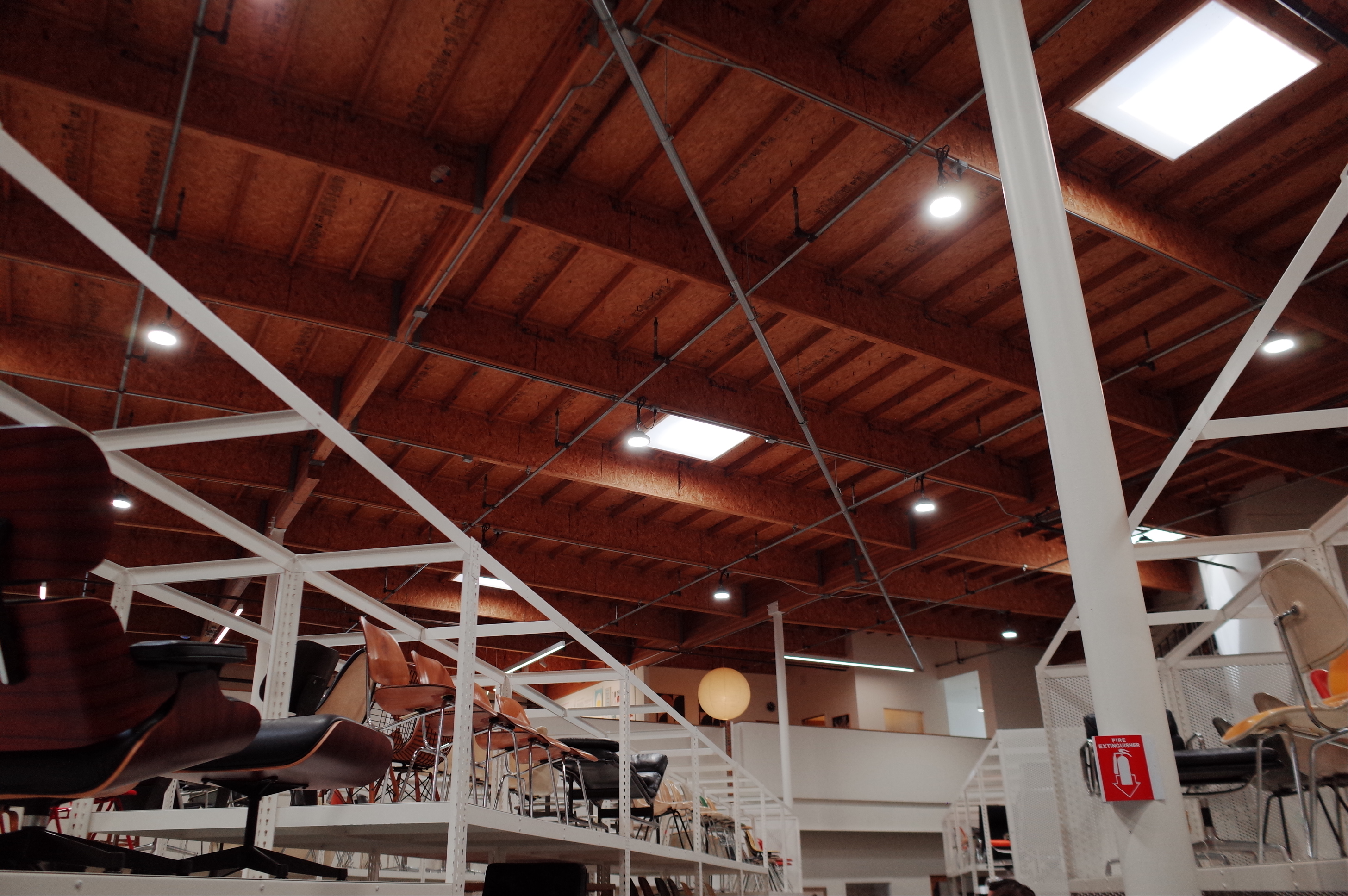
An Eames Chaise resting up on the mezzanine among the shelved chairs.
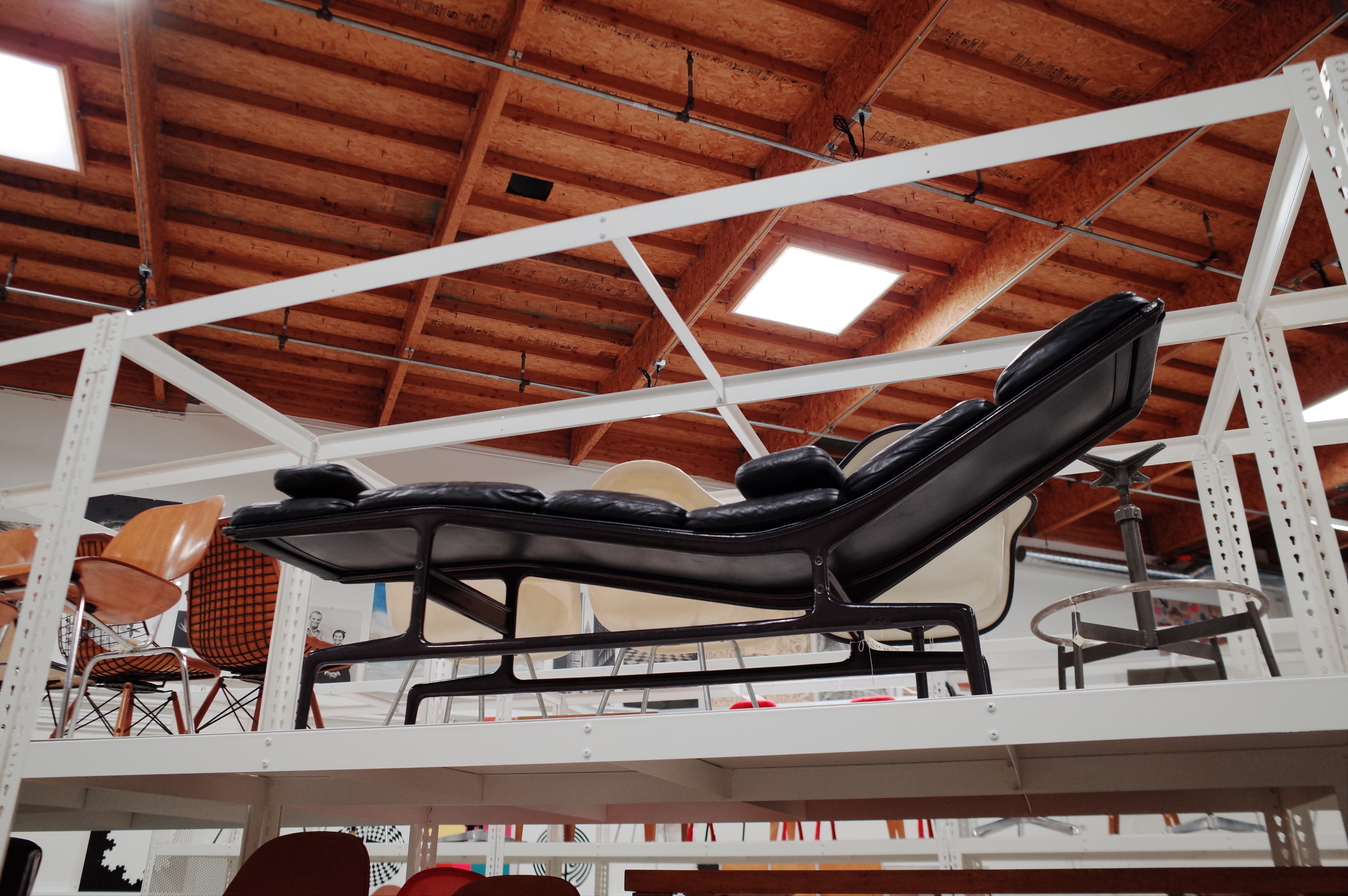
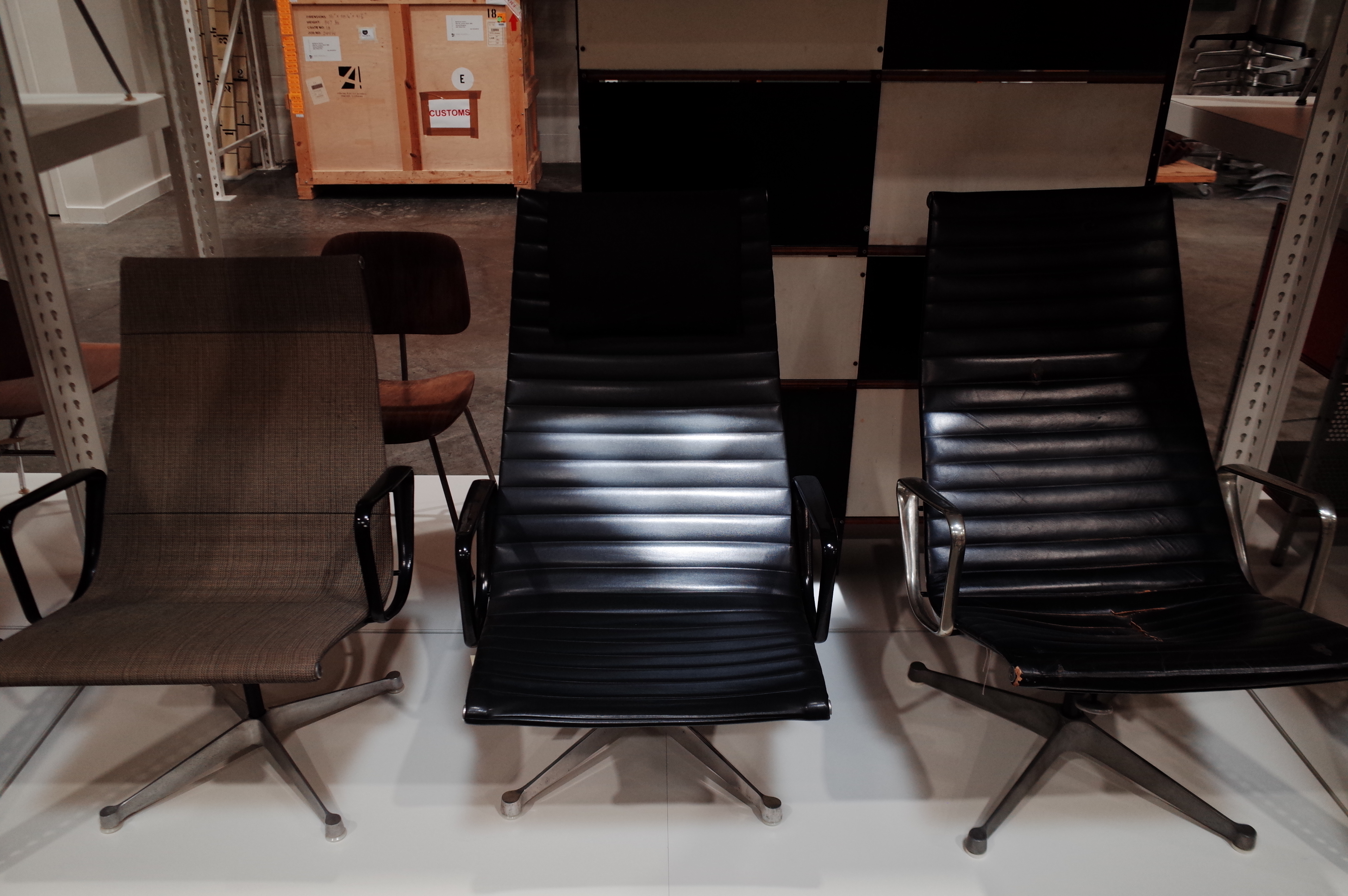
A pair of Eames Aluminum Group chairs — ribbed leather over cast aluminum frames.
IBM and the Computer Age
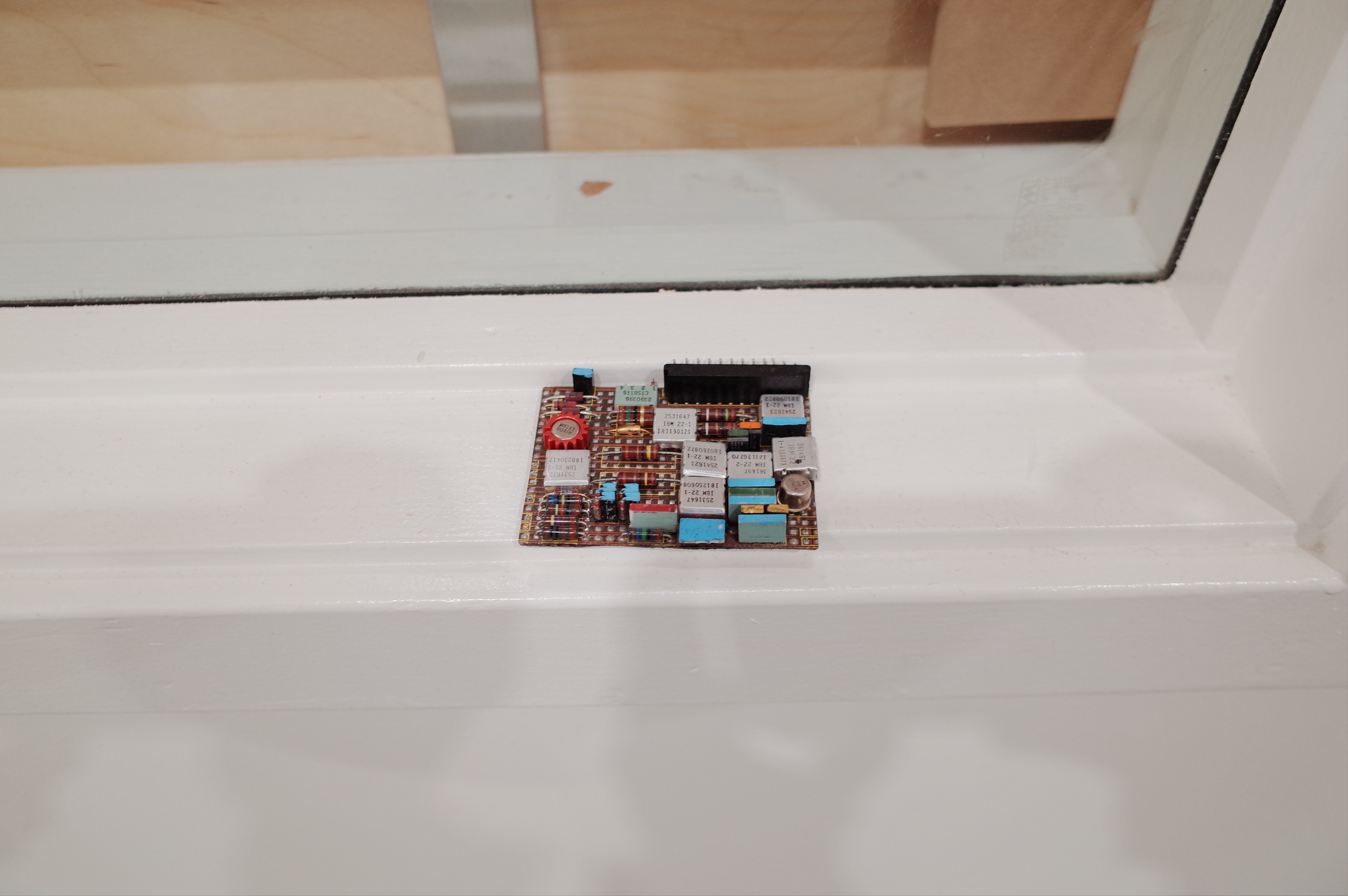
A circuit board photograph, showing the Eames Office's long-running relationship with IBM, for whom they produced films, exhibitions, and toys throughout the 1960s and '70s.
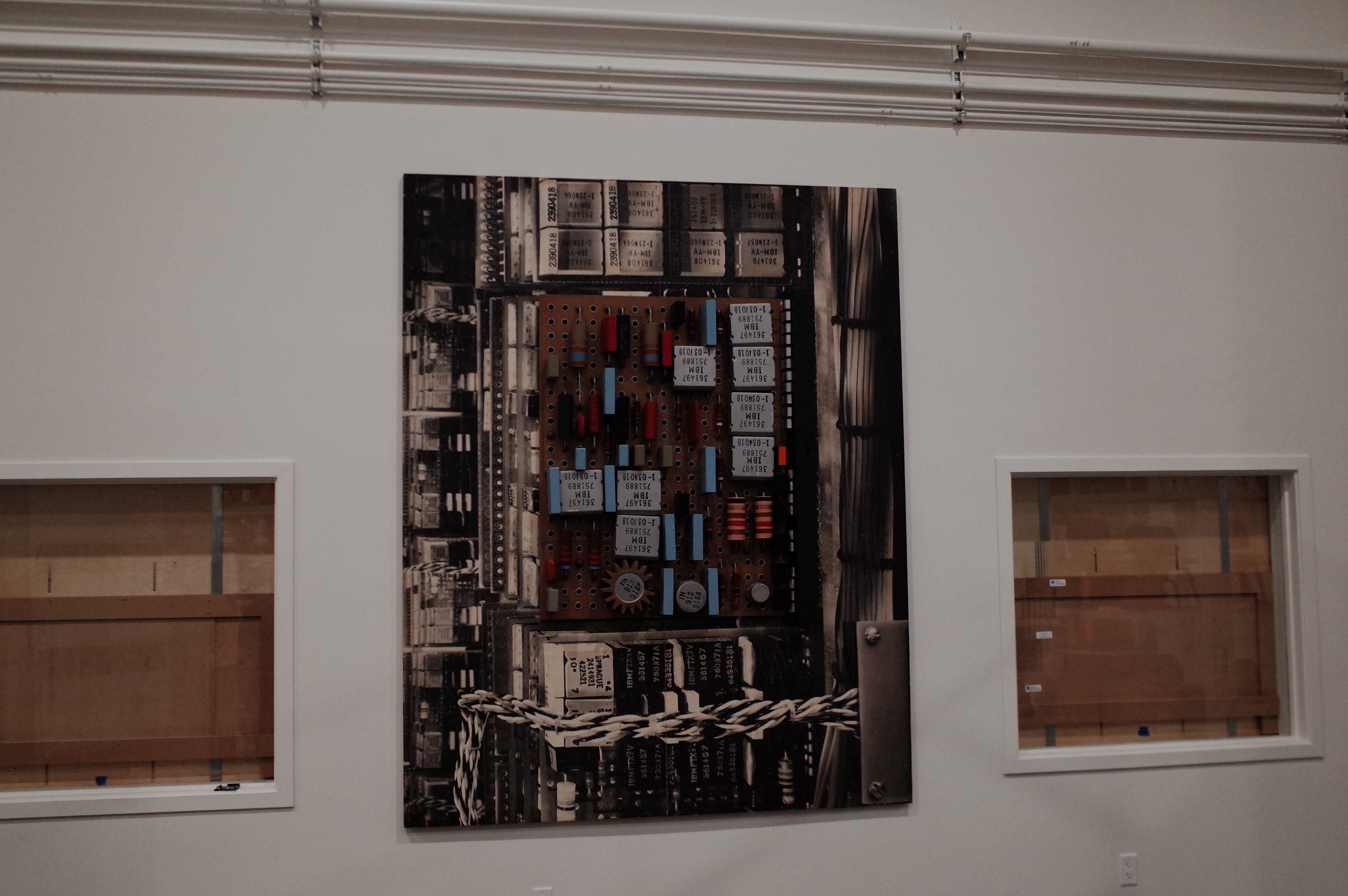
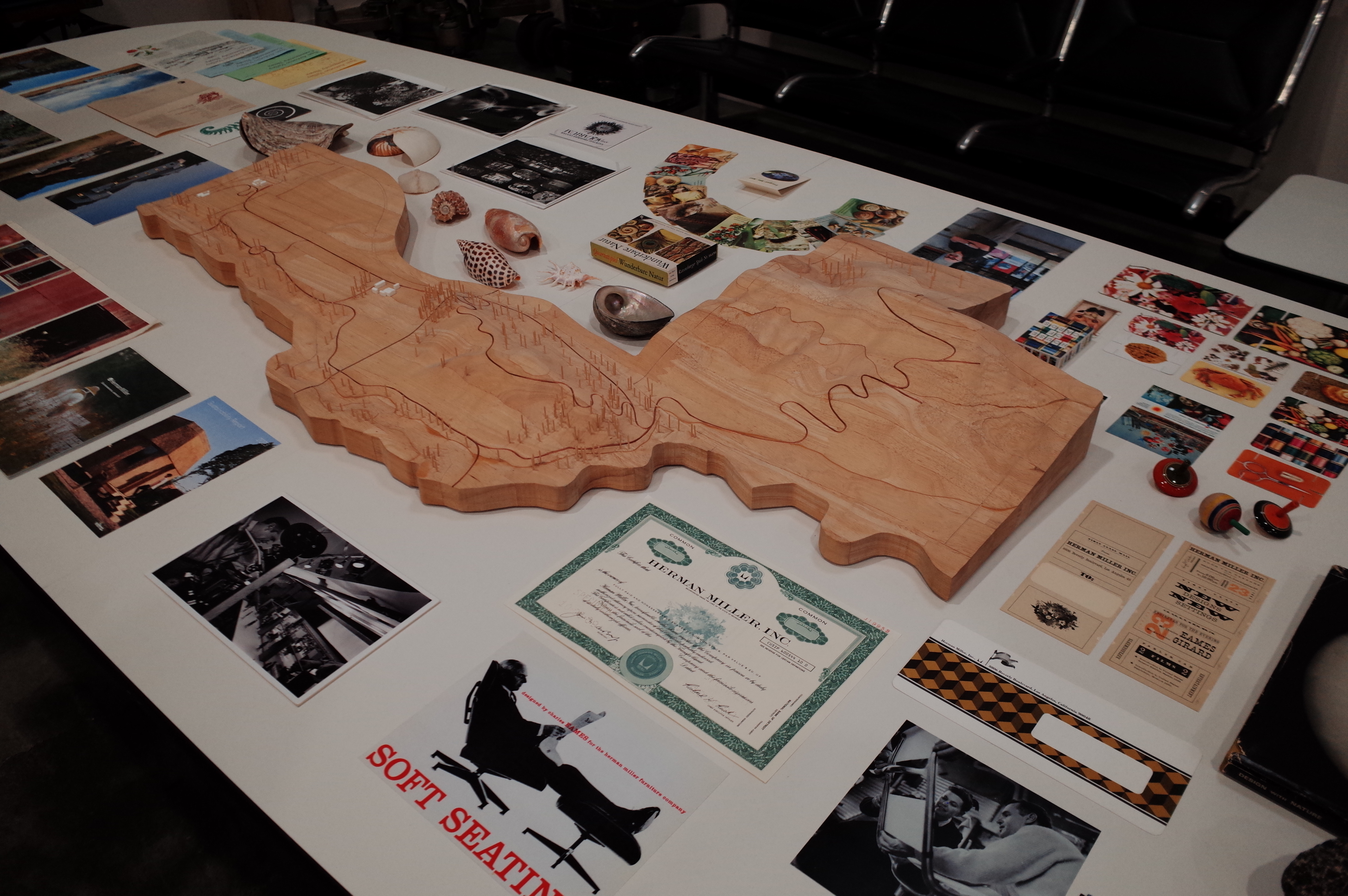
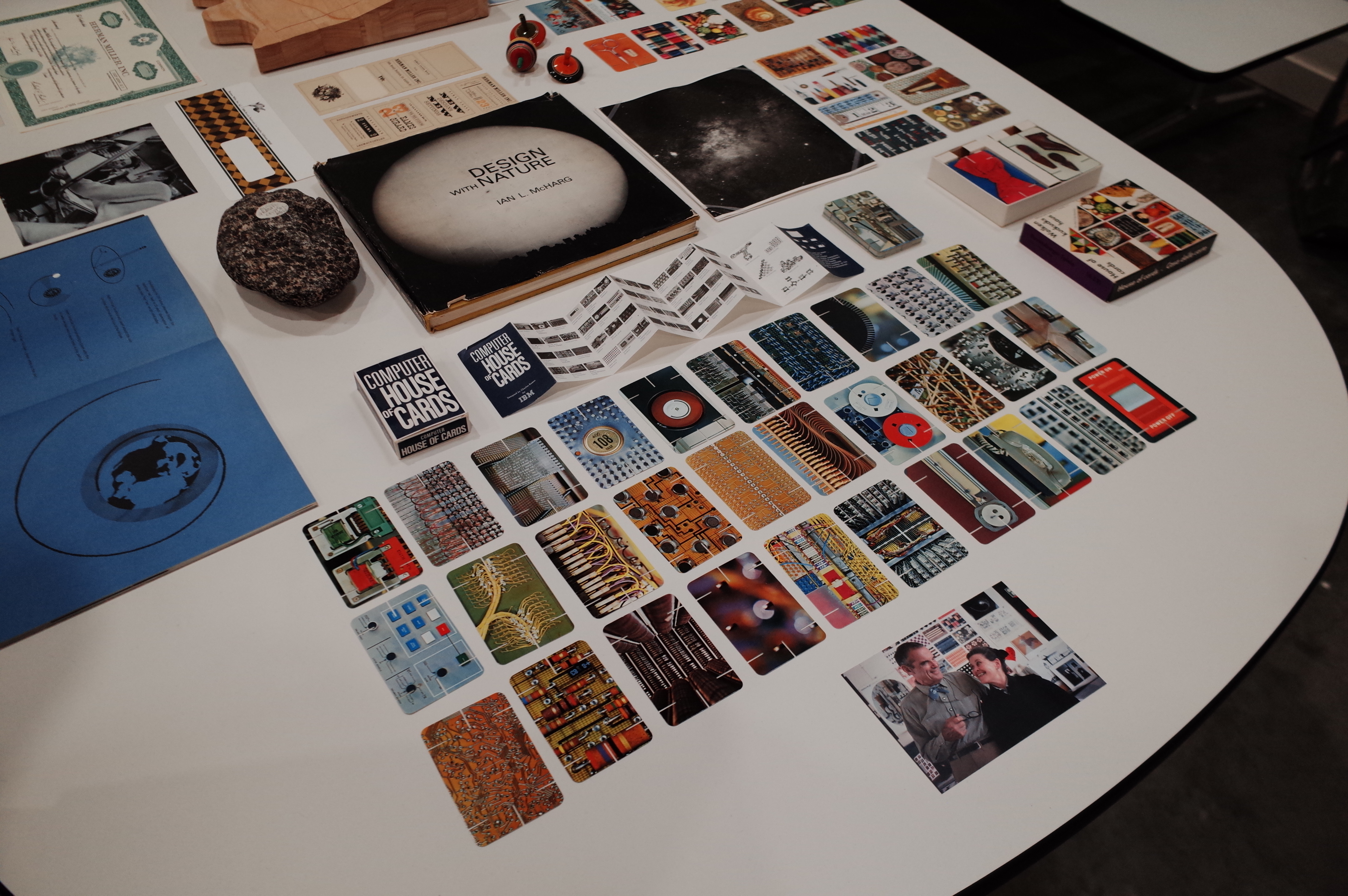
When computers were still new and unfamiliar — even met with some suspicion by the public — IBM commissioned Charles and Ray Eames to help demystify them. The result was the Computer House of Cards: an oversized deck, each card printed with a photograph of a real computer component, meant to be stacked and built like a traditional house of cards.
If you're at all into design or furniture, I think the Eames Institute is worth a visit. It's rare to get this close to the actual working archive instead of a polished museum show — right down to the drawers of fabric swatches and boxes of scale figures that were never really meant to be seen twice.
Hope you like Eames! ◡̈
Related